Category: Uncategorized

  • Do Online Pharmacies Need Prescriptions?

    Do Online Pharmacies Need Prescriptions?

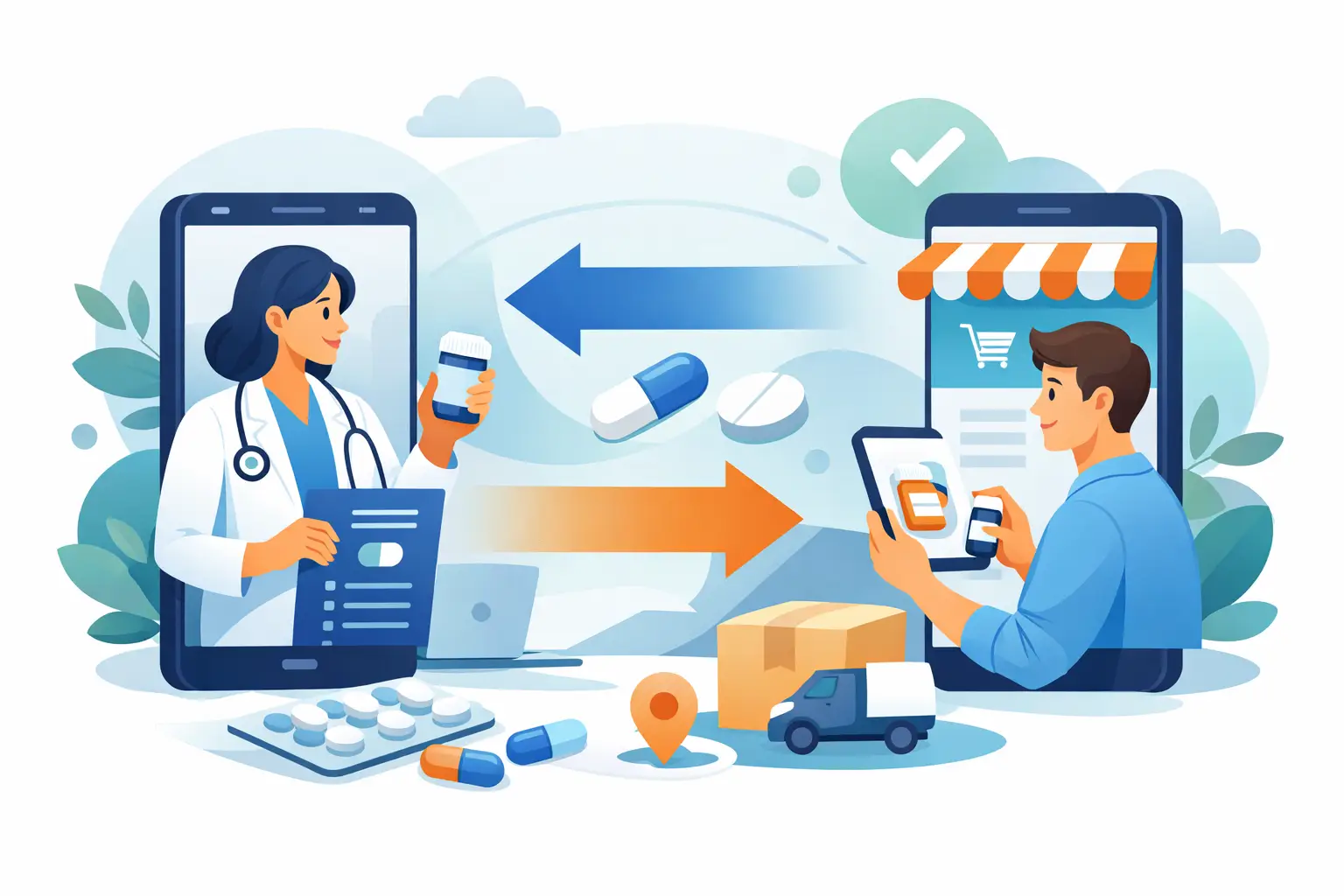
    If you are shopping for medication online, the first question is usually the simplest one: do online pharmacies need prescriptions? The honest answer is yes for many drugs, no for some products, and it depends on what you are buying, where the pharmacy operates, and how the order is being fulfilled. That matters because the difference affects speed, privacy, price, and whether your order gets approved without extra back-and-forth.

    For most buyers, this is not just a legal technicality. It is about convenience. Nobody wants to load up a cart, enter payment details, and then find out a prescription is required after checkout. If you want a smooth order, you need to know which categories typically require a valid prescription, which ones are commonly sold without one, and what a legitimate online pharmacy should make clear before you buy.

    Do online pharmacies need prescriptions for every product?

    No. Online pharmacies do not need prescriptions for every product they sell. Many health and wellness items are sold over the counter, just like they would be in a retail drugstore. That includes common supplements, vitamins, allergy products, first aid supplies, some pain relievers, sleep aids, digestive support products, and personal care items.

    Prescription rules usually apply to medications that are regulated because of strength, risk profile, side effects, potential interactions, or abuse potential. Drugs for blood pressure, antibiotics, stronger pain relief, anxiety, hormone treatment, and many chronic care medications are often in this category. Controlled substances face even tighter restrictions, and reputable sellers usually have stricter verification steps around them.

    So if you are asking whether online pharmacies need prescriptions, the better question is: for which products? The answer changes from one category to another.

    Why prescriptions are required in the first place

    Prescription requirements are meant to create a checkpoint between the product and the patient. Sometimes that checkpoint is useful. Some drugs can interact badly with other medications, worsen existing conditions, or require monitoring for dosage and side effects. In those cases, a prescription is not just bureaucracy. It is part of safe use.

    That said, buyers often run into frustration because the process can feel slow and outdated. Waiting for an office visit, getting paperwork sent over, and dealing with refill delays is exactly why so many people look online in the first place. They want home delivery, more privacy, less friction, and access on their schedule.

    This is where online pharmacies have changed the experience. Even when a prescription is required, the process can be faster and easier than a local pharmacy if the platform clearly explains what is needed, offers prescription upload options, and provides responsive support.

    What products usually need a prescription

    There is no single universal list that covers every seller, but in general, medications in these categories often require a prescription: antibiotics, blood pressure medication, antidepressants, stronger pain medication, ADHD drugs, hormone therapies, erectile dysfunction treatments in some cases, and many medications used for chronic disease management.

    Controlled drugs are a separate issue. These products are more heavily regulated, and buyers should expect stricter handling, identity checks, and limited fulfillment options. If a site treats high-risk medication exactly like a bottle of vitamins, that should make you pause.

    On the other hand, products like multivitamins, herbal supplements, basic cold and flu support, anti-inflammatory pain relievers, topical creams, testing kits, and general wellness products are commonly available without a prescription.

    Can an online pharmacy offer non-prescription access?

    Sometimes, yes. But this is where buyers need to pay attention.

    Some online pharmacies focus on over-the-counter products and never need a prescription at all. Others combine prescription fulfillment with categories that can be purchased directly. There are also platforms that operate with looser access models, especially for products that fall into gray areas, niche chemical categories, or products not handled the same way as mainstream retail pharmacy inventory.

    That does not automatically mean every non-prescription offer is unsafe or fake. But it does mean the buyer has to be more alert. A trustworthy operation should be clear about what is being sold, how it is shipped, what support is available, and whether pharmacist guidance or product information is offered when needed.

    For privacy-focused customers, the appeal is obvious. Fewer barriers, discreet packaging, and direct ordering can make a huge difference. But convenience is strongest when it comes with transparency, not confusion.

    How to tell what an online pharmacy will require

    The easiest answer is to check the product page before you start the order. A well-run online pharmacy should state whether a prescription is required, accepted, or not necessary. It should also explain how to submit one if needed.

    If those details are vague, missing, or only appear at the very end of checkout, that is a red flag. The same goes for websites that make sweeping claims that everything is available with no restrictions, no questions, and no verification across every category. Real inventory does not work that way.

    Look for practical signs of a more dependable process. Product descriptions should identify the item clearly. Support options should be easy to find. Shipping expectations should be stated upfront. If prescription fulfillment is offered, there should be a clear path for upload, review, or transfer.

    For buyers who value privacy, clarity matters just as much as confidentiality. You want to know what happens before you pay.

    Do online pharmacies need prescriptions if they have pharmacist support?

    Pharmacist support is helpful, but it does not replace prescription requirements where they apply. A pharmacist can answer questions, explain usage, discuss interactions, and help guide fulfillment. That is valuable, especially when you are ordering from home and want fast answers without an in-person trip.

    Still, if a medication legally requires a prescription, pharmacist support usually works alongside that requirement, not around it. Think of it as an added layer of help rather than a workaround.

    Where pharmacist support really improves the experience is in reducing delays. If your order needs clarification, refill coordination, or basic guidance, strong support can keep things moving. For online buyers, that can be the difference between a simple transaction and a frustrating one.

    What shoppers care about most

    Most customers are not trying to become pharmacy law experts. They want to know three things: can they get the product, how much trouble will it take, and will the order stay private?

    That is why this question keeps coming up. Do online pharmacies need prescriptions is really a question about control. Buyers want the freedom to manage their health purchases without unnecessary friction, especially for recurring needs, sensitive products, or items they would rather not discuss face-to-face.

    A platform that understands that will make the process simple. It will separate prescription items from non-prescription ones, explain requirements without legal fog, and provide support that feels useful instead of obstructive. For many buyers, that is the whole point of shopping online.

    The trade-off between convenience and protection

    There is always a trade-off. More access usually means less gatekeeping. Less gatekeeping can feel faster and more private, but it also puts more responsibility on the buyer to know what they are purchasing and how to use it.

    That does not mean convenience is a bad thing. It means smart buyers treat convenience as a benefit, not a substitute for judgment. If you are ordering a basic wellness item, the risk is lower. If you are buying something potent, habit-forming, or medically sensitive, the stakes are higher.

    The best online pharmacy experience respects both realities. It does not bury the process in delays, but it also does not pretend every product should be sold the same way.

    What to expect from a modern online pharmacy

    A modern online pharmacy should do more than list products and take payment. It should make access easier while still giving buyers enough information to make a confident decision. That means clear labeling, discreet delivery, reliable support, transparent pricing, and a checkout experience that tells you exactly what is required.

    For many shoppers, especially those who value privacy and speed, that is the sweet spot. You want the convenience of online ordering without surprise prescription requests, vague product pages, or hidden obstacles. Some stores, including Medline Pharma, are built around that expectation: direct ordering, confidentiality, broad product access, and support that does not disappear after the sale.

    So, do online pharmacies need prescriptions? Often yes, but not always. The real answer depends on the product, the seller, and how clearly the process is explained before you buy. If the pharmacy is upfront, the shopping experience gets much easier – and that is exactly how it should be.

    When you shop online for health products, the smartest move is simple: know what you are buying, know what the pharmacy requires, and choose a seller that respects your time and your privacy.

  • Online Pharmacy vs Local Pharmacy

    Online Pharmacy vs Local Pharmacy

    You need your order handled fast, priced fairly, and kept private. That is where the online pharmacy vs local pharmacy question gets real. For some people, the neighborhood counter still makes sense. For others, ordering from home with discreet delivery, wider product access, and fewer delays is the better move.

    The truth is simple: neither option wins every time. What matters is how you buy, what you need, and how much convenience, privacy, and availability affect your decision. If you are comparing the two, you are probably not looking for a lecture. You want to know which one saves time, which one protects your privacy, and which one gives you fewer headaches.

    Online pharmacy vs local pharmacy: the biggest difference

    A local pharmacy is built around in-person service. You drive over, wait in line, talk face to face, and leave with your items if they are in stock. That model works well when you need something the same day or want direct interaction with a pharmacist.

    An online pharmacy is built around control and convenience. You browse at your own pace, compare products, place an order when it works for you, and have it shipped to your door. That changes the whole buying experience. There is less pressure, less visibility, and often a lot more flexibility in product selection and payment.

    For many adult buyers, that flexibility is the deciding factor. If you would rather skip the counter conversation, avoid multiple store visits, and shop without feeling watched, online ordering is hard to beat.

    Price is not always what people expect

    A lot of shoppers assume local pharmacies are safer but more expensive, while online pharmacies are cheaper but less reliable. Reality is more mixed than that.

    Local pharmacies have overhead that shows up in the final price. Retail space, staffing, and inventory limitations all affect what you pay. In some cases, insurance lowers the cost of a prescription, but for cash-pay buyers, prices can feel steep fast. Supplements, wellness products, and specialty items are often marked up more than people realize.

    Online pharmacies often compete harder on direct pricing because they are built for volume and broader reach. You can compare options without standing in an aisle, and the price is right there in front of you. That transparency matters. It lets buyers make faster decisions and avoid the awkward back-and-forth that sometimes happens at a retail counter.

    That said, shipping can change the equation. If you need one low-cost item immediately, local may be cheaper once delivery fees are factored in. But if you place larger orders, buy regularly, or want access to products that are harder to find nearby, online often becomes the better value.

    Privacy changes the experience

    This is one of the biggest reasons buyers switch.

    At a local pharmacy, privacy is limited by the setting itself. You may be discussing personal needs within earshot of other customers. You may hand over identification, explain what you need, or feel exposed buying products you would rather keep private. Even when staff are professional, the environment is still public.

    Online pharmacies appeal to people who want discretion from start to finish. You can browse, compare, and order from home without the social friction of an in-store purchase. For many adults, that is not a small perk. It is the main reason they choose digital ordering in the first place.

    Discreet packaging, direct shipping, and private checkout options make online purchasing feel more controlled. If confidentiality matters to you, the online model simply fits better.

    Speed depends on what kind of speed you mean

    People talk about speed like it is one thing, but it is really two. There is same-day access, and there is overall convenience.

    A local pharmacy can win on same-day pickup if the item is in stock and the line is short. If you are sick right now, that matters. But local speed breaks down fast when inventory is limited, refills are delayed, or you need to visit more than one store to find what you want.

    Online pharmacies win on process speed. Ordering takes minutes. Reordering is easier. You do not commute, park, wait, or stand around while someone checks the shelf. For recurring purchases and planned needs, online is usually the smoother option. It saves time not just at checkout, but across the whole experience.

    If you buy regularly, the difference adds up. What looks slower on paper because of shipping can actually be faster in real life because it cuts out every extra step.

    Product access is where the gap gets wider

    Local pharmacies work from limited shelf space and local demand. They stock what moves, what fits their policies, and what their suppliers send. That is fine for common basics. It is frustrating when you want more choice.

    Online pharmacies can carry a wider catalog across medications, wellness products, supplements, and harder-to-find items. That broader selection matters to buyers who do not want to settle for whatever happens to be in stock at one nearby location.

    This is also where buyer control becomes more obvious. Instead of asking if something is available, you can browse categories, compare formats, check pricing, and make your choice directly. That feels more efficient and, for many people, more comfortable.

    Some shoppers also value reduced gatekeeping. They do not want their entire buying process shaped by store policy, limited stock, or uncomfortable in-person interactions. An ecommerce pharmacy model is designed around access, not counter friction.

    Support is different, not absent

    One common assumption is that local pharmacies offer real support while online pharmacies leave you on your own. That is outdated.

    A good local pharmacist can be extremely helpful, especially for urgent questions. Face-to-face conversation still has value, particularly for older patients or anyone managing multiple medications.

    But online support has improved because buyers expect more than a checkout page. Responsive customer service, refill help, order tracking, and pharmacist guidance all matter. The difference is that support happens on your terms. You can reach out when needed instead of arranging your day around store hours.

    For many customers, that is a better fit. They want answers, but they do not want the hassle that often comes with in-person service. Convenience does not cancel support. It just changes how support is delivered.

    When local still makes more sense

    There are times when the local option is clearly the better call. If you need an antibiotic filled today, if your doctor just changed a medication and you want immediate discussion, or if you are dealing with an insurance issue that requires direct coordination, a neighborhood pharmacy can be useful.

    Local pharmacies also help people who prefer face-to-face reassurance. Some buyers want eye contact, a printed receipt in hand, and the confidence of leaving with the item immediately. That preference is real, and it should not be ignored.

    So this is not about pretending online replaces every pharmacy need. It does not. It is about recognizing that for many routine purchases, wellness products, repeat orders, and privacy-sensitive items, the old model is no longer the easiest one.

    When online is the better fit

    If you value discretion, transparent pricing, home delivery, and the ability to shop without pressure, online usually wins. It is especially useful for adults who know what they want and do not need the retail experience wrapped around the purchase.

    It also fits buyers who are tired of hearing that a product is out of stock, restricted, or only available after another delay. A well-run online pharmacy gives you more autonomy. You browse, choose, pay, and wait for delivery instead of negotiating the process in public.

    That is the appeal behind platforms like Medline Pharma. The model is built around direct access, broad selection, and doorstep convenience for customers who want less friction and more control.

    The smarter choice depends on your buying style

    The online pharmacy vs local pharmacy decision is really a lifestyle decision. Do you want immediate pickup for urgent needs, or do you want a more private, flexible, and convenient way to shop over time? Do you value face-to-face interaction, or would you rather skip the line and keep the process to yourself?

    If your priority is speed in the moment, local has a role. If your priority is privacy, convenience, broader access, and easier repeat ordering, online is hard to ignore.

    The best choice is the one that removes friction from your life. When buying health products feels easier, more private, and more predictable, you are more likely to get what you need without the extra stress.

  • Can Medicine Be Shipped Discreetly?

    Can Medicine Be Shipped Discreetly?

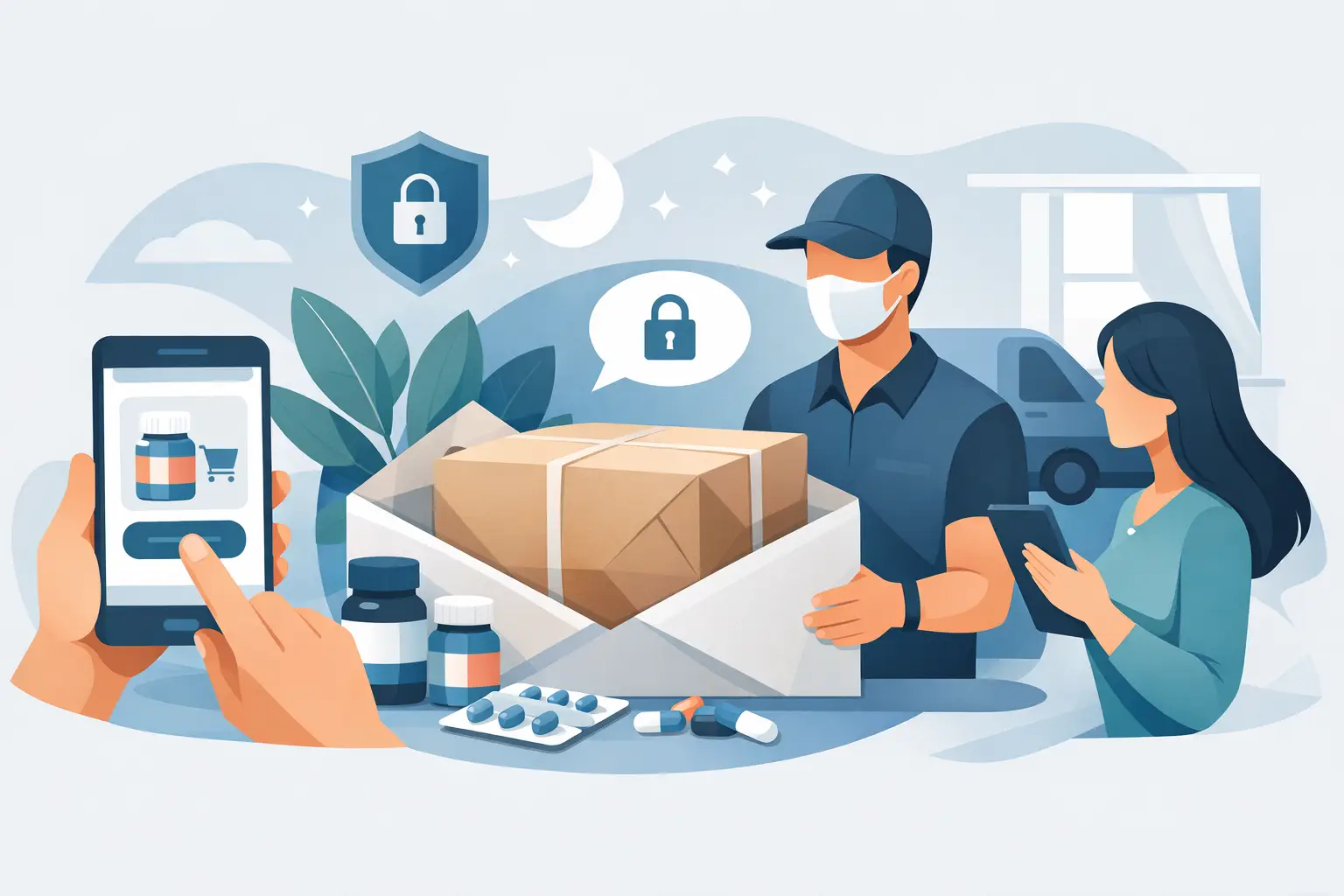
    When a package contains medication, most people are not worried about the box itself – they are worried about what the box might reveal. That is why one of the most common questions buyers ask is can medicine be shipped discreetly. The short answer is yes, in many cases it can, but the real answer depends on how the order is packed, labeled, processed, and delivered.

    For privacy-focused buyers, discreet shipping is not a luxury feature. It is often the deciding factor. Some people do not want family, roommates, neighbors, or building staff knowing what they ordered. Others simply want the same basic thing every online shopper wants – a straightforward delivery that stays private, arrives on time, and does not invite extra attention.

    Can medicine be shipped discreetly in practice?

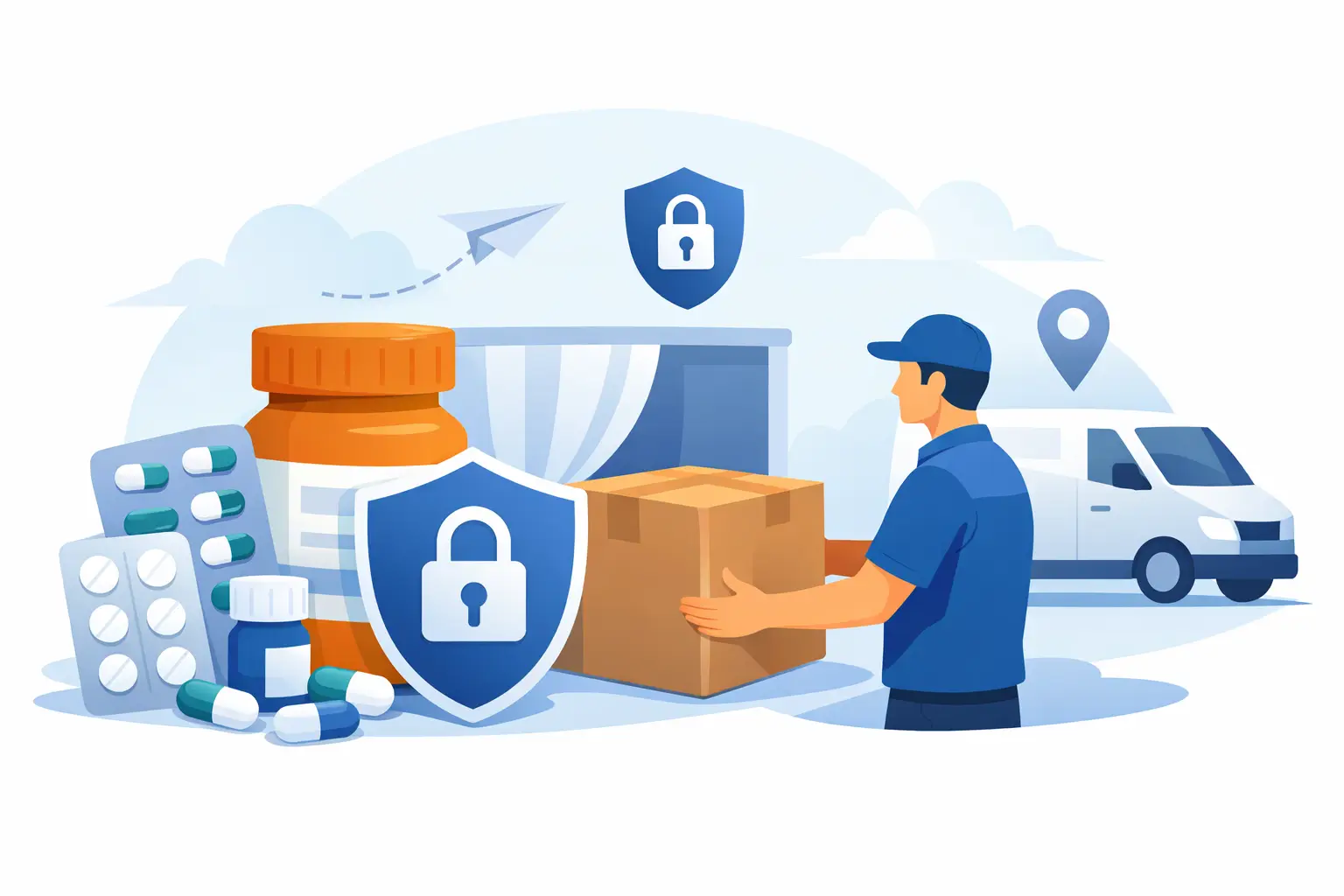
    Yes, medicine can often be shipped discreetly when the seller uses plain outer packaging, neutral return details, and secure order handling. In practical terms, discreet shipping usually means the outside of the package does not advertise the contents, does not use obvious medical branding, and does not draw attention to the product category.

    That said, discreet does not always mean invisible. Shipping carriers still need basic delivery information. Payment processors may still generate transaction records. Some products may also require legal labeling, safety declarations, or signature requirements depending on the item and destination. So the goal is usually controlled privacy, not total anonymity.

    For most buyers, that distinction matters. If you expect a package with no name, no sender, no shipping trail, and no record of any kind, that is not how legitimate ecommerce fulfillment works. If you want packaging that blends in with ordinary deliveries and does not announce what is inside, that is much more realistic.

    What discreet medicine shipping usually looks like

    The most reliable form of discreet shipping starts with the outer package. A plain mailer or standard shipping box is the first layer of privacy. It should look like a routine ecommerce shipment, not a medical parcel that raises questions before it even reaches your door.

    The next layer is labeling. A privacy-conscious seller will avoid printing product names on the outside of the package. In many cases, the return address is shown in a neutral format rather than with a brand name that clearly signals pharmacy, research products, or a sensitive category.

    Order processing also plays a role. If a company treats privacy seriously, customer data, invoice details, and shipping workflow are handled with restraint. That does not just affect the label. It affects the entire customer experience, from checkout to support to delivery updates.

    Inside the package, discreet shipping can still include accurate packing materials, product protection, and clear instructions. The package does not need to look suspicious or stripped down to be private. It simply needs to avoid unnecessary disclosure.

    Why buyers ask if medicine can be shipped discreetly

    There are obvious reasons, and then there are real-life reasons. The obvious reason is privacy. Medical purchases can feel personal, especially when the product involves pain relief, sexual health, mental wellness, chronic conditions, weight management, or specialized compounds.

    The real-life reason is that many people share space. They live with partners, parents, roommates, college housing staff, or front-desk personnel. Even if the product is completely ordinary, they may not want conversations about it. Discreet shipping reduces those awkward moments.

    There is also a trust factor. Buyers want confidence that a seller understands the difference between delivering a product and exposing a customer. A pharmacy or health store that gets this right signals professionalism. It shows they know privacy is part of the service, not an extra.

    Can medicine be shipped discreetly for every product?

    Not always. This is where expectations need to stay realistic.

    Some health products are easy to ship privately because they are standard retail items with no unusual handling requirements. Supplements, wellness products, and many common over-the-counter items generally fit that model. Plain packaging works well, and the shipment can move like any other ecommerce order.

    Other items may involve more restrictions. Prescription medications, temperature-sensitive products, regulated substances, and high-risk categories can trigger added shipping rules. In those cases, a seller may still use discreet packaging, but they may also need to comply with carrier policies, age checks, signature delivery, or legal labeling requirements.

    That is why the answer to can medicine be shipped discreetly is often yes, but with conditions. A serious seller will protect privacy where possible while still following the shipping rules tied to the product.

    What to look for before you place an order

    If privacy matters to you, do not wait until after checkout to ask questions. The signs are usually clear before you buy.

    Look at how the seller talks about packaging and fulfillment. If they specifically mention confidential handling, plain packaging, secure ordering, and customer privacy, that is a positive sign. If they are vague, overly flashy, or more focused on hype than shipping details, be careful.

    Support responsiveness matters too. A seller that can clearly explain how packages are prepared, what shows on the label, and what kind of delivery tracking is used is usually more dependable than one that avoids direct answers.

    Payment options can also affect buyer comfort. Some customers prefer conventional card payments for convenience. Others want additional separation through alternative payment methods. Privacy is not only about the package on your porch. It is also about how comfortable you feel throughout the purchase.

    Discreet shipping does not mean careless shipping

    Some buyers think privacy and professionalism pull in opposite directions. They do not. In fact, the best discreet shipping is usually the most organized shipping.

    A package still needs to protect the product from damage, moisture, heat exposure, and rough handling. It still needs tracking, delivery accuracy, and a dependable transit process. If a seller cuts corners in the name of secrecy, that is not a privacy advantage. It is just poor fulfillment.

    Good discreet shipping balances both goals. The package stays low-profile, but the order is still packed securely and handled with care. That balance is what separates a trustworthy ecommerce pharmacy experience from a risky one.

    Can medicine be shipped discreetly without drawing attention at delivery?

    Often yes, but delivery settings matter. A plain package helps, yet the final handoff depends on your address type, carrier behavior, and local delivery environment.

    If you live in a single-family home, private delivery is usually straightforward. If you live in an apartment complex, dorm, or shared building, there are more variables. Packages may pass through lockers, concierge desks, mailrooms, or common areas before reaching you.

    That does not mean discreet shipping fails. It simply means your shipping choice should match your situation. Some buyers prefer a secure delivery window, tracking alerts, or a location where they can retrieve the package quickly. Privacy is stronger when the shipment is both discreetly packed and delivered to a place you control.

    Why trust matters more than promises

    A lot of sellers use the word discreet because they know buyers want to hear it. The better question is whether their process actually supports it.

    A privacy-focused online pharmacy should make the experience feel controlled from start to finish. That means sensible packaging, secure checkout, clear support, and fulfillment that does not create unnecessary exposure. It also means treating customer confidentiality as part of everyday service, not as a special favor.

    For buyers who want convenience without the spotlight, that combination matters. Fast access is useful. Affordable pricing is useful. Broad product availability is useful. But if privacy is missing, the entire order can feel uncomfortable before it even ships.

    That is one reason many online buyers choose stores built around confidential delivery and direct-to-door convenience. Medline Pharma, for example, speaks directly to customers who want a more private and friction-free buying experience, especially when discretion is part of the reason they are shopping online in the first place.

    The real answer buyers should remember

    So, can medicine be shipped discreetly? In many cases, yes – and for privacy-conscious buyers, it should be handled that way whenever possible. But discreet shipping is not magic. It is a set of practical choices: plain packaging, careful labeling, secure checkout, and a seller that understands why privacy matters.

    If you are ordering medicine or other health products online, the smartest move is to choose a provider that treats confidentiality as part of the product experience, not as an afterthought. When that happens, delivery feels simple, private, and under your control – exactly how it should be.

  • How Online Prescription Transfer Works

    How Online Prescription Transfer Works

    Running out of a medication and realizing your refill is sitting at the wrong pharmacy is the kind of hassle nobody wants. If you have ever wondered how online prescription transfer works, the short version is simple: your new pharmacy contacts your old pharmacy, verifies the prescription details, and moves any eligible refills so you can keep treatment on track without extra back-and-forth.

    That sounds straightforward because, in many cases, it is. But there are rules, timing issues, and medication-specific limits that can affect whether a transfer happens fast, takes a day or two, or cannot be completed at all. If you order medications online and value privacy, home delivery, and less friction, it helps to know what is happening behind the scenes before you start.

    How online prescription transfer works step by step

    Most online transfers begin with a request form. You choose the medication you want moved, enter your current pharmacy’s name and phone number, and provide basic details such as your prescription number, date of birth, and prescribing doctor if you have it. The more accurate that information is, the fewer delays you are likely to hit.

    Once your request is submitted, the new pharmacy reviews it and reaches out to the previous pharmacy. That contact is usually handled by phone, fax, or a pharmacy system designed for prescription communication. You generally do not have to call both sides yourself unless the pharmacy asks for clarification.

    The old pharmacy then confirms whether there are refills remaining and whether the prescription is legally transferable. If it qualifies, they share the prescription details with the new pharmacy, and the new pharmacy enters that information into its own system. At that point, the prescription is no longer active at the original location for filling, because the transfer moves it rather than copying it.

    After the transfer is recorded, the new pharmacy processes the fill, checks for safety issues, and prepares it for pickup or shipping. If the pharmacy offers delivery, this is the stage where shipping timelines, packaging preferences, and payment details usually come into play.

    What information you usually need

    You do not need a stack of paperwork to start, but you do need the basics right. Most online pharmacies ask for your full name, date of birth, medication name and strength, current pharmacy contact details, prescription number if available, and your prescriber’s name.

    Insurance information may also be requested if you are using coverage. If you are paying cash, that part may be simpler, though pricing can vary from one pharmacy to another. Some people transfer for convenience, others for privacy, and plenty do it because the new pharmacy offers better pricing or delivery options.

    If your profile information does not match what the old pharmacy has on file, the process can stall. A nickname, outdated phone number, or wrong date of birth sounds minor, but it can be enough to trigger verification delays.

    Which prescriptions can be transferred online

    Many routine maintenance medications can be transferred if they still have refills left. Common examples include medications for blood pressure, cholesterol, thyroid support, or other long-term conditions. These are often the easiest to move because the refill structure is already in place.

    Short-term prescriptions can be different. If a medication was written with no refills, there may be nothing to transfer. In that case, the new pharmacy may need to contact your doctor for a new prescription rather than request a transfer.

    Controlled substances are where people often get confused. Whether they can be transferred depends on federal rules, state law, the drug schedule, and the pharmacy systems involved. Some can be transferred under specific conditions, while others may require a brand-new prescription from the prescriber. This is one of those areas where it depends, and the answer can change based on where you live and what medication you take.

    How long online prescription transfers take

    A lot of transfers are completed within one business day, but not all of them. If both pharmacies are responsive and the prescription is straightforward, the process can move quickly. If your request goes in on a weekend, late in the day, or during a holiday, expect slower turnaround.

    Delays are common when the previous pharmacy is busy, the prescription has expired, there are no refills left, or your doctor needs to approve something new. Shipping also adds another layer. Even after the transfer is complete, delivery time depends on fulfillment schedules, payment approval, and the carrier.

    If speed matters, submit the transfer request before you are down to your last dose. A few days of lead time gives the pharmacy room to fix any issue before it turns into a treatment gap.

    Why transfers get delayed or denied

    The biggest reason a transfer fails is simple: there is nothing left to transfer. If all refills have already been used, the new pharmacy cannot pull more from the old one. It has to request a new prescription from your prescriber.

    The second common issue is expiration. Prescriptions do not stay valid forever, even if you did not use every refill. State and federal timelines vary by medication type, and once that date passes, the transfer route may be closed.

    There are also operational problems. Maybe the old pharmacy cannot reach the prescribing office to verify a question. Maybe the medication is out of stock at the new pharmacy. Maybe the exact strength or dosage form is unavailable. In those cases, the transfer itself may be possible, but the fill still gets delayed.

    Then there are legal limits. Certain medications come with tighter controls, and pharmacies have to follow them. That protects the process, but it can feel frustrating if you expected every prescription to move with one click.

    How online pharmacies handle privacy during transfers

    Privacy matters to a lot of online buyers, and prescription transfers are still subject to healthcare privacy rules. Pharmacies are expected to verify your identity, protect your health information, and communicate through approved channels.

    That does not mean every transfer feels identical. Some pharmacies build a smoother customer experience around discreet communication, secure checkout, delivery tracking, and support access. If confidentiality is one of your priorities, look for clear policies, direct customer service, and a process that tells you what is happening instead of leaving you guessing.

    For many customers, convenience and privacy go together. You want your medication handled correctly, but you also want less exposure, fewer in-store conversations, and a direct path from request to delivery.

    How online prescription transfer works with insurance or cash pay

    If you use insurance, the new pharmacy usually bills your plan after the transfer is entered. Copays can change because pharmacies may be in different networks or use different contracted rates. That surprises people more often than it should.

    If you pay cash, the transfer process itself is usually the same, but the final cost may be very different from what you paid before. Sometimes the online option is cheaper. Sometimes it is not. Convenience, shipping, service, and stock reliability all factor into the real value.

    This is why the smartest move is not assuming a transfer is only about location. It is also a chance to compare price, refill management, delivery speed, and customer support in one step.

    When you should request a new prescription instead

    A transfer is not always the right tool. If your medication has no refills, has expired, or falls into a category with tight transfer limits, asking for a new prescription may be faster. The same goes if your dosage has changed or your doctor wants to review your treatment before authorizing more.

    For people managing chronic medications, the easiest path is often to transfer active refills now and request a renewal before the last refill runs out. That keeps things moving without last-minute pressure.

    If you are using an online pharmacy for the first time, ask what they handle directly and what still requires prescriber involvement. A strong service team can make that line clear fast. Medline Pharma, for example, positions convenience and direct support as part of the buying experience, which matters when timing is tight and you want fewer obstacles between request and delivery.

    A smarter way to avoid refill stress

    The real value in knowing how online prescription transfer works is not just understanding the mechanics. It is knowing when to act, what details to have ready, and where the slowdowns usually happen so you can avoid them.

    If you want less hassle, do not wait until you are almost out. Start the transfer early, double-check your information, and choose a pharmacy that communicates clearly about timing, eligibility, and delivery. A little preparation goes a long way when the goal is simple: get your medication where you need it, without the usual runaround.

  • Best Non Drowsy Pain Relief Options

    Best Non Drowsy Pain Relief Options

    A pounding headache before a shift, back pain in the middle of a long drive, sore joints when you still have errands to run – pain does not care what your day looks like. That is why so many adults search for non drowsy pain relief options that actually work without turning the rest of the day into a fog.

    If staying functional matters, the right choice usually comes down to one simple question: what kind of pain are you dealing with, and what side effects can you afford? Some products are better for inflammation, some are better for tension and muscle soreness, and some help most when used on the surface instead of through the whole body. The goal is not just relief. It is relief that lets you keep moving.

    How non drowsy pain relief options really differ

    Not every pain reliever causes sleepiness. In fact, many of the most common over-the-counter pain products are chosen specifically because they are less likely to make you drowsy when used as directed. That said, non drowsy does not mean side-effect free, and it does not mean every option fits every person.

    The biggest split is between systemic and topical relief. Systemic products, like oral pain relievers, move through your body and can be useful for headaches, fever, menstrual cramps, and more widespread discomfort. Topicals work where you apply them and are often a smart pick when the pain is localized, like a sore knee, stiff neck, or pulled muscle. If your main concern is staying alert for work, driving, parenting, or school, topicals can be a strong place to start because they usually do not affect your whole body the same way.

    Common non drowsy pain relief options for everyday use

    Acetaminophen is one of the most familiar choices for pain relief without sedation. It is often used for headaches, minor aches, fever, and general pain when inflammation is not the main issue. Many people like it because it is straightforward and usually does not interfere with alertness. The trade-off is that it does not reduce inflammation the way some other options do, and taking too much can seriously harm the liver.

    Nonsteroidal anti-inflammatory drugs, or NSAIDs, are another major category. Ibuprofen and naproxen are common examples. These are often a better fit when swelling and inflammation are part of the problem, such as muscle strain, joint pain, dental pain, or menstrual cramps. They are generally considered non-drowsy for most users, but they can irritate the stomach, raise bleeding risk, and may not be ideal for people with certain kidney, heart, or ulcer concerns.

    Topical pain relief deserves more attention than it usually gets. Creams, gels, patches, and roll-ons containing menthol, lidocaine, diclofenac, or capsaicin can make a real difference when the pain is focused in one area. If your lower back, shoulder, wrist, or knee is the problem, a topical option may help you avoid taking more than you need. The downside is simple – if your pain is deeper, widespread, or internal, a surface-level product may not be enough on its own.

    Choosing by pain type, not just by label

    The fastest way to waste money is buying a pain reliever based on packaging instead of your symptoms. Non drowsy pain relief options work best when they match the source of pain.

    For headaches, acetaminophen or an NSAID may be enough depending on the trigger. Tension headaches may also respond well to hydration, stretching, and correcting screen posture. If the pain is tied to sinus pressure or cold symptoms, be careful with combination products, because some multi-symptom formulas include ingredients that can affect how you feel even when the front label says non drowsy.

    For muscle pain and minor strains, ibuprofen, naproxen, or a topical anti-inflammatory product often makes more sense than acetaminophen alone. Ice in the first day or two may help if there is swelling, while heat can be useful later for stiffness.

    For joint pain, especially if it is repetitive or tied to overuse, topical NSAIDs and oral anti-inflammatory options can be practical. If the pain is ongoing rather than occasional, that is a sign to think beyond symptom control and get a clearer answer on what is driving it.

    For menstrual cramps, many adults do better with anti-inflammatory medication because cramps are often linked to prostaglandins, which NSAIDs target more directly. Timing matters here. Taking relief at the first signs of cramping often works better than waiting until the pain is severe.

    For nerve-related pain, standard over-the-counter options may have limits. Burning, tingling, shooting, or electric-type pain does not always respond well to the same products used for headaches or sore muscles. A topical numbing product may help in some cases, but persistent nerve pain needs proper medical evaluation.

    What to watch out for when you need to stay sharp

    A label that says non drowsy is helpful, but it is not the whole story. Your body, your dose, and the rest of what you are taking all matter. Some people feel off, lightheaded, or less focused from pain itself, dehydration, illness, or mixing products, even if the pain reliever is not supposed to cause sleepiness.

    Combination products are where many people get tripped up. A medication marketed for cold, flu, migraine, or nighttime symptoms may include antihistamines or other ingredients that are more likely to make you sleepy. If your goal is clear-headed relief, read the active ingredients closely instead of assuming every pain product works the same way.

    Alcohol is another issue. Even if a product is considered non-drowsy, combining it with alcohol can increase risk and impair judgment. The same goes for using multiple products with overlapping ingredients. Doubling up by accident is easier than most people think, especially with acetaminophen.

    When topical pain relief makes the most sense

    If privacy, convenience, and getting on with your day matter, topical pain relief can be one of the smartest low-hassle choices. A patch or gel is easy to use, easy to carry, and often useful when you do not want a whole-body medication response.

    This approach can fit well for adults managing gym soreness, repetitive strain from work, mild arthritis discomfort, or a stubborn knot in the neck after too many hours at a desk. It is also appealing if you are already taking other medications and want to avoid adding another oral product unless you really need it.

    Still, there is a limit. If the pain is severe, getting worse, or linked to injury, fever, numbness, chest symptoms, or loss of function, a topical product should not be used as a way to delay care.

    Smart buying matters as much as the product

    Pain relief should not feel complicated, but quality and source still matter. Whether you are buying a basic over-the-counter option or looking for something more specialized, you want clear labeling, real ingredient transparency, and a seller that takes handling and customer support seriously.

    That is one reason buyers often prefer online access when they want speed, privacy, and the ability to compare options without standing in a store aisle. For many adults, discreet ordering and home delivery are not extras. They are the point. Medline Pharma speaks to that need by focusing on straightforward access, privacy-first service, and convenient delivery that fits real life.

    When pain relief is not enough

    If you are using pain products regularly just to get through ordinary days, that is a signal worth respecting. Pain after a hard workout or long day is one thing. Pain that keeps returning, wakes you up, spreads, or starts changing how you move is something else.

    Non drowsy relief can be useful, but it works best as part of a bigger strategy. Sometimes that means correcting posture, changing shoes, improving sleep, stretching tight muscles, or reducing repetitive strain. Sometimes it means getting checked for migraines, arthritis, nerve issues, or an underlying injury. Fast relief has value, but so does knowing what you are treating.

    The best pain option is the one that fits your symptoms, your schedule, and your risk profile without slowing you down more than the pain already has. If you need to stay alert, keep it simple, read labels carefully, and choose relief that supports your day instead of taking it over.

  • How Confidential Pharmacy Shipping Works

    How Confidential Pharmacy Shipping Works

    A lot of people are fine buying vitamins in person but want a very different experience when the order is more personal. That is exactly where how confidential pharmacy shipping works matters. If you are ordering medication, wellness products, or other sensitive items online, you want the process to feel private from checkout to doorstep, not just in the marketing copy.

    Confidential shipping is not one single feature. It is a chain of decisions that starts when you place an order and continues through payment, packaging, labeling, carrier handoff, tracking, and delivery. If one part is sloppy, the whole promise of privacy falls apart.

    For buyers, the goal is simple – get what you need quickly, safely, and without unnecessary attention. For the pharmacy or online health store, that means building fulfillment around discretion instead of treating privacy like a nice extra.

    How confidential pharmacy shipping works in real life

    At the practical level, confidential shipping means your order is prepared so that other people cannot easily tell what you bought. The outside of the package is typically plain. Branding is limited or removed. Product names do not appear on the box in a way that invites curiosity from neighbors, roommates, front desk staff, or anyone handling the parcel.

    That sounds basic, but true confidentiality goes further than plain cardboard. Order data has to be handled carefully behind the scenes. Payment information needs to be processed securely. Shipping labels should avoid revealing product categories where possible. Customer support also has to respect privacy, because discretion can be broken just as easily by a careless email subject line as by bad packaging.

    The strongest setups are designed around one idea: only the information required to move the order from warehouse to customer should be visible at each stage. Nothing extra. Nothing promotional that turns a private purchase into a public one.

    The checkout stage is the first privacy test

    Most people think about shipping when they picture the box arriving. In reality, confidentiality starts at checkout. The moment you enter your details, you are trusting the seller to protect your name, address, payment method, and order contents.

    A privacy-centered pharmacy experience usually gives customers straightforward payment choices, clear order confirmation, and minimal friction. Some buyers prefer standard card payments. Others want added separation through alternative payment methods. What matters most is that the transaction is handled in a way that does not expose more personal information than necessary.

    This is also where billing and shipping details can matter. In some cases, buyers want an order sent to their home. In others, they may prefer a different delivery location for convenience or extra privacy. A good confidential shipping process supports that flexibility without making the order feel suspicious or difficult.

    Discreet packaging does more than hide the product

    When people ask how confidential pharmacy shipping works, they are usually asking about packaging. That is fair because packaging is the most visible part of the promise.

    Discreet packaging usually means a plain mailer, padded envelope, or unmarked box with standard carrier labeling. There is no large product branding on the outside. There is no obvious wording that identifies the shipment as medication, pharmacy inventory, or a sensitive health purchase. The return name, when used, is often neutral and businesslike.

    Good packaging also protects the product physically. A crushed box or torn envelope is not just annoying. It can expose the contents or create questions you never wanted to answer. Confidential shipping has to balance discretion with durability. Fragile products need cushioning. Heat-sensitive items may need additional handling. Bottles, blister packs, powders, and liquids all require different packing choices.

    That is one of the trade-offs people do not always see. The most discreet package still has to be practical. If the item arrives damaged, leaking, or obviously repacked, privacy has not really been protected.

    Labeling, return names, and what others can see

    Shipping labels are a small detail with a big privacy impact. Carriers need enough information to deliver the parcel, but customers do not want labels that announce what is inside. In a confidential setup, the visible details are kept as neutral as possible.

    That usually means the label includes the recipient address, tracking barcode, and sender name required for delivery, but not product descriptions. In many cases, the sender name is selected to sound generic rather than attention-grabbing. This reduces the chance that a package sitting in a mailroom or on a porch tells a story the buyer did not choose to share.

    There is an important limit here: no shipping process can make a parcel invisible. Carriers still need shipping data, and recipients still need a deliverable address. Confidential shipping is about reducing unnecessary exposure, not pretending logistics do not exist.

    Order handling behind the scenes

    Privacy is won or lost in fulfillment operations. Once the order is placed, staff or warehouse systems pick the product, verify the quantity, prepare the package, generate the label, and hand it off to the carrier. Every step creates a chance for mistakes.

    The cleaner the process, the better the confidentiality. Orders should be matched accurately so the wrong item is not packed. Packing slips should avoid revealing more than needed. Notifications should be useful without being overly descriptive. Support teams should be trained to confirm customer details carefully before discussing any order information.

    This is where a serious online pharmacy separates itself from a random storefront. Confidential shipping is not just a plain box. It is consistent handling from warehouse shelf to delivery scan.

    Tracking matters, but so does how it is presented

    Most buyers want tracking because they do not want sensitive orders left to guesswork. Tracking lets you know when the parcel ships, where it is in transit, and when it is close to delivery. That helps with convenience, but it also helps with privacy. If you know when a package is arriving, you can be there to receive it or move quickly once it is delivered.

    The best approach is simple and direct. You get the tracking information you need without unnecessary product detail in the notification itself. That balance matters. Too little information creates anxiety. Too much information creates risk if someone else sees the message.

    Delivery timing can matter just as much as package design. Apartment buildings, shared homes, dorms, and office deliveries all create different privacy concerns. In those cases, tracking is not just a customer service feature. It is part of confidential fulfillment.

    Signature, mailbox, or doorstep – it depends

    Not every order should be delivered the same way. Some shipments can be left securely at the address. Others may need a signature, especially when the value is high or the contents require tighter control. There is no single best method for every buyer.

    A signature can increase security, but it can also reduce convenience. If you miss the delivery, you may have to reschedule or pick it up elsewhere. Standard delivery is easier, but it may leave the parcel visible longer than you want. Confidential shipping works best when the delivery method fits the product, the location, and the customer’s comfort level.

    For privacy-conscious buyers, the most practical move is often planning ahead. Use a reliable address, watch tracking updates, and think about who can access the drop-off point. Discretion is strongest when both the seller and the buyer do their part.

    What confidential shipping does not guarantee

    It helps to be realistic. Confidential pharmacy shipping can reduce exposure, but it cannot remove every risk. A carrier delay may leave the package sitting longer than expected. A household member may accept the delivery. A building concierge may log incoming parcels. Weather, routing issues, and local delivery habits all affect the final experience.

    There is also a difference between confidential shipping and anonymous purchasing. Confidential shipping focuses on discreet fulfillment and limited visible information. Anonymous purchasing usually refers to minimizing identity exposure during payment and account activity. The two can overlap, but they are not identical.

    That distinction matters because shoppers often expect total invisibility when what they are really getting is a more private, lower-friction buying experience. A trustworthy seller does not oversell that promise. It explains what is protected, what is standardized, and where common-sense limits still apply.

    Why buyers keep choosing confidential pharmacy delivery

    For many customers, privacy is not about hiding something dramatic. It is about control. They do not want to discuss personal purchases with a cashier, explain an order to family members, or leave health-related decisions open to outside opinions. They want direct access, quick shipping, and a package that keeps their business their business.

    That is why confidential fulfillment continues to matter across everything from everyday wellness products to more sensitive categories. The convenience is real, but the bigger value is confidence. When ordering feels secure, buyers come back because the process respects their time and their boundaries.

    At Medline Pharma, that expectation is simple: private ordering should feel normal, fast, and dependable. If a pharmacy says confidentiality matters, the proof is not in the slogan. It is in the box that shows up looking ordinary, the tracking that keeps you informed, and the fact that your order gets to your door without turning into anyone else’s conversation.

    If you are choosing where to buy, pay attention to the small details. The way a seller handles checkout, packaging, updates, and delivery will tell you more about their privacy standards than any bold headline ever will.

  • How to Buy Medicine Online Safely

    How to Buy Medicine Online Safely

    A low price and fast checkout can look great right up until the package arrives without proper labeling, the product feels off, or your personal data ends up somewhere it should not. If you want to buy medicine online safely, the real skill is not clicking faster – it is knowing what to check before you pay.

    Online pharmacies can be a genuine convenience. They can save time, reduce awkward in-person conversations, and make it easier to stay consistent with treatment, supplements, or everyday wellness products. But convenience only works in your favor when the store is transparent about what it sells, how it ships, how it handles prescriptions, and what kind of support you can reach after checkout.

    What safe online pharmacy shopping actually looks like

    Safe buying is not just about whether a website takes your order. It is about whether the pharmacy presents clear product information, accurate dosing details, secure payment handling, and realistic delivery expectations. A trustworthy seller should make it easy to understand what you are ordering, what category it falls into, and whether there are restrictions, warnings, or usage considerations you need to know.

    That does not always mean every store will look the same. Some buyers want a traditional pharmacy experience with prescription verification and pharmacist guidance. Others care most about privacy, discreet shipping, and fast access to common health products. The difference matters because your definition of a smooth order should never replace your need for clarity.

    How to buy medicine online safely without guesswork

    The first thing to check is whether the store clearly identifies itself as a pharmacy or health retailer and explains how orders are handled. If the site is vague about who it is, where products ship from, or how customer support works, that is a problem. Legitimate businesses do not need to hide the basics.

    Next, slow down on the product page. Good listings usually include the product name, strength, quantity, intended use, and key warnings. If you are looking at medication and cannot tell the dosage, form, or expected packaging, you are not ready to buy. The same goes for products that make extreme claims with no practical information.

    Prescription handling is another major signal. For prescription-only medications, a safe online seller should explain whether a valid prescription is required and how that process works. If a site treats all medications exactly the same, with no distinction between routine wellness items and regulated drugs, you should be cautious. Different products carry different legal and safety requirements, and responsible sellers reflect that reality.

    Payment security matters too. A checkout page should feel controlled and professional, not rushed or improvised. Buyers who prefer extra privacy often look for stores that support confidential ordering and flexible payment methods, but privacy should not come at the expense of security. Secure checkout, clear billing terms, and transparent order confirmation are all part of buying smart.

    Privacy matters, but so does product clarity

    A lot of people shop online for medicine because they want discretion. That is reasonable. Health purchases can be personal, and not everyone wants to discuss them at a retail counter. Discreet packaging, confidential billing, and private customer support can be real advantages.

    Still, privacy should support safe buying, not replace it. Anonymous-feeling shopping can be appealing, but you should still know exactly what you are ordering and from whom. A safe store respects your privacy while giving you enough information to make an informed decision.

    That balance is where many shoppers get tripped up. They focus so heavily on fast delivery or no-hassle ordering that they skip the basics. Product authenticity, dosage accuracy, and reliable fulfillment matter more than marketing promises about speed alone.

    Signs an online pharmacy deserves your trust

    Trust is built through consistency. A dependable online pharmacy usually has clear categories, straightforward descriptions, and customer support that feels reachable instead of decorative. If a store says pharmacist support is available, there should be a visible way to use it. If it promises discreet delivery, the ordering process should explain what that means in practice.

    Pricing should also make sense. Competitive prices are not the issue. Wildly inconsistent pricing, vague product variants, or pressure-heavy discount language can be. If the deal looks unusually aggressive on a medication that should have tightly controlled information, pause and review the listing more carefully.

    Shipping policies are another easy check. Reliable sellers explain processing times, shipping ranges, and what happens if there is a delay or issue with the order. They do not leave buyers guessing after payment. Confidence comes from knowing what to expect before the package is on the way.

    Red flags that should stop you before checkout

    Some warning signs are easy to miss because they are wrapped in convenience. One is poor product detail. Another is a site that pushes hard for immediate purchase but offers little explanation about source, formulation, or support. Fast access is attractive, but when urgency replaces transparency, that is a risk.

    A second red flag is sloppy communication. If the website has inconsistent product names, contradictory strengths, missing warnings, or unclear return and shipping terms, those details matter. Medicine is not a category where basic information should be optional.

    A third issue is the absence of post-purchase support. If something arrives damaged, delayed, or different from what you expected, you need a real path to resolution. Safe buying includes what happens after the order is placed, not just before.

    Why support matters when you buy medicine online safely

    Customer support is not just a bonus feature. It is part of the safety equation. Buyers often have simple but important questions about dosage forms, product differences, shipping timing, refill options, or whether a product is suitable for their needs. If support is unavailable, hard to reach, or unable to answer basic product questions, the buying experience becomes a gamble.

    Good support also reduces ordering mistakes. That matters when shoppers are comparing similar products, managing recurring needs, or buying across categories like pain relief, supplements, general medicine, and wellness essentials. Convenience works best when there is someone behind it.

    For many online buyers, especially those who value confidentiality, responsive support can make the whole experience feel more controlled. You are not chasing answers. You are getting them before you commit.

    The trade-off between speed and safety

    Most shoppers want both. They want immediate availability, easy checkout, and delivery to the door. There is nothing wrong with that. But speed should not erase common sense. A streamlined order is only useful when the products are clearly described, the seller is transparent, and the process protects both your money and your private information.

    Sometimes the safer choice is not the fastest one. You may need to verify prescription requirements, compare product strengths, or contact support before placing the order. That extra minute is often what separates a confident purchase from a risky one.

    On the other hand, a well-run online pharmacy can absolutely deliver convenience without cutting corners. Stores that combine clear listings, discreet handling, secure payment, and responsive support are often the best fit for buyers who want control and privacy without giving up basic safeguards.

    A smarter way to shop with confidence

    If you are going to shop online for medicine, act like a careful buyer, not a rushed one. Read the product page. Check the strength, quantity, and intended use. Confirm shipping expectations. Review how the store handles prescriptions, privacy, and support. If anything feels vague, overhyped, or incomplete, step back.

    That is the practical path to buying with confidence. Whether you are ordering everyday health products or harder-to-find items, the goal is the same: clear information, discreet service, and a seller that treats trust as part of the product. Medline Pharma is one example of the kind of online store buyers look for when they want privacy, availability, and direct-to-door convenience in one place.

    The smartest online purchase usually feels calm, not rushed – clear details, secure checkout, and no surprises when the package lands at your door.

  • OTC Medicine vs Prescription Medicine

    OTC Medicine vs Prescription Medicine

    You wake up with a pounding headache, a cough that will not quit, or a rash that suddenly looks worse than it did last night. That is usually when the question gets real – otc medicine vs prescription medicine is not just a pharmacy category issue, it is a decision about speed, safety, cost, and how much oversight you actually need.

    For many adults, over-the-counter options are the first move because they are fast, familiar, and easy to buy. Prescription medicine enters the picture when symptoms are more serious, last longer, or involve drugs that need tighter control. The smart choice is not always the stronger one. It is the one that matches the problem in front of you.

    OTC medicine vs prescription medicine: the core difference

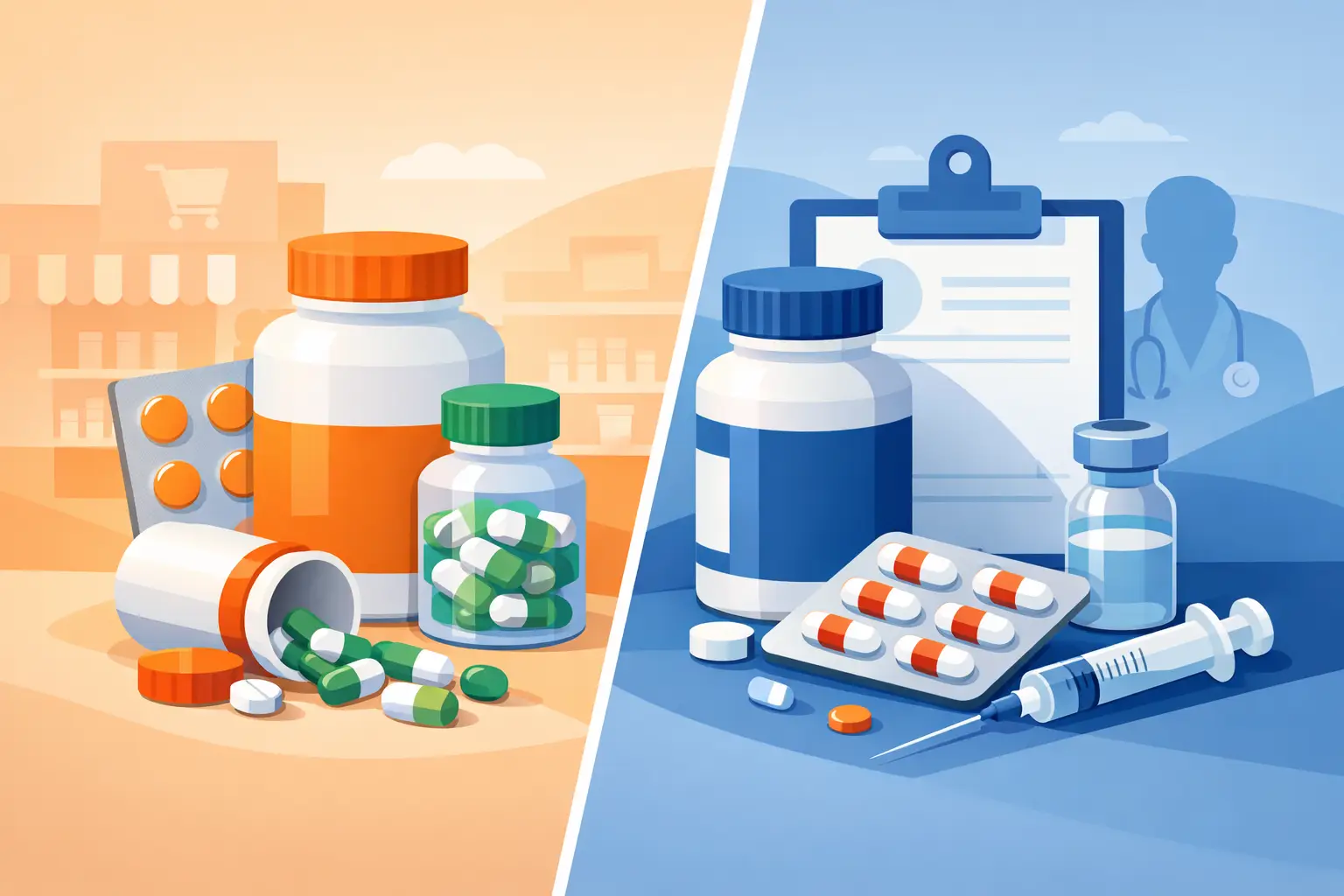
    The basic split is straightforward. OTC medicine can be sold directly to consumers without a prescription because regulators have determined it is generally safe and effective when used as directed for common, self-limited conditions. Prescription medicine requires authorization from a licensed prescriber because it carries higher risks, needs diagnosis or monitoring, or can be misused more easily.

    That distinction affects more than the checkout process. It changes how much guidance you need, how side effects are managed, how doses are tailored, and whether the medicine is appropriate for your age, health history, or other medications.

    An OTC pain reliever for a mild fever is built for broad public use with label-based instructions. A prescription blood pressure medication is different. It may need dose adjustments, follow-up checks, and attention to kidney function, drug interactions, or pregnancy risk. One is designed for everyday self-care. The other is designed for supervised treatment.

    When OTC medicine makes sense

    OTC products are often the right answer for short-term, uncomplicated issues. Think headaches, seasonal allergies, mild heartburn, occasional constipation, minor muscle aches, simple cold symptoms, or basic first-aid needs. These are the situations where convenience matters and where waiting for an appointment can feel unnecessary.

    That convenience is the biggest reason OTC products remain popular. You can compare options quickly, choose what fits your symptoms, and start relief the same day. For shoppers who value privacy and speed, that matters. You do not need to explain a minor issue to three different people just to get a standard remedy.

    There is also a cost advantage in many cases. OTC products can be cheaper upfront than paying for a doctor visit plus a prescription, especially for routine symptoms. Generic store-brand versions often deliver the same active ingredient at a lower price.

    Still, easy access does not mean zero risk. Acetaminophen can harm the liver if you take too much. NSAIDs like ibuprofen can irritate the stomach or affect kidneys. Decongestants can raise blood pressure. Even common antihistamines can make you drowsy enough to affect driving. OTC does not mean harmless. It means safe enough for self-use when directions are followed.

    When prescription medicine is the better choice

    Prescription drugs exist for a reason. Some conditions need a confirmed diagnosis before treatment. Others require medicines that can cause serious side effects, dependence, or dangerous interactions if used casually.

    If you have a bacterial infection that needs antibiotics, severe asthma symptoms, uncontrolled diabetes, chronic pain managed with restricted drugs, or mental health symptoms that require a targeted medication, prescription treatment is often the appropriate path. In these cases, the value is not just access to a stronger product. It is professional evaluation and a treatment plan that fits the condition.

    Prescription medicine can also be necessary when OTC treatment has already failed. If you have taken heartburn medication for weeks and symptoms keep coming back, or if a cough lasts too long, gets worse, or comes with shortness of breath, moving beyond self-treatment is not overreacting. It is common sense.

    There is another point people sometimes miss. Prescription medicine is not automatically better because it is regulated more tightly. Some prescription drugs have a narrow benefit window, major side effects, or a high misuse potential. That is exactly why they are prescription-only. Access is restricted because the margin for error is smaller.

    The trade-off: convenience versus oversight

    The real tension in otc medicine vs prescription medicine comes down to freedom versus supervision. OTC products give you control. You can act fast, shop privately, and avoid delays. Prescription drugs add clinical oversight, which can be essential, but they also add friction.

    For some buyers, that friction is the hardest part. Scheduling an appointment, dealing with insurance, answering personal questions, and waiting for fulfillment can be frustrating when you just want relief. That is why discreet online pharmacy services appeal to so many adults. Convenience is not a luxury when you are in pain, managing a chronic condition, or trying to handle a sensitive health issue privately.

    But supervision has value when the stakes are higher. It can catch a wrong diagnosis, prevent duplicate therapy, or stop a dangerous interaction before it starts. If you are taking multiple medications, are pregnant, have liver or kidney disease, or have symptoms that are severe or unusual, extra oversight can protect you.

    The practical move is to know when convenience is enough and when it is not.

    How to choose between OTC and prescription options

    Start with the symptom itself. If it is mild, familiar, and short-lived, OTC treatment may be reasonable. If it is severe, new, rapidly worsening, or tied to a known medical condition, a prescription evaluation may make more sense.

    Next, look at duration. A small problem that clears in a day or two is different from one that keeps returning. Ongoing symptoms often need more than symptom suppression. They need a diagnosis.

    Then consider your own risk factors. A cough suppressant that works fine for one person may be a poor choice for someone with certain medications or underlying disease. The same goes for sleep aids, stimulants, pain relievers, and allergy products.

    Finally, read labels like they matter, because they do. Check the active ingredient, not just the brand name. Many people double-dose by combining cold, flu, and pain products that contain the same ingredients. That is one of the most common avoidable mistakes in self-medication.

    Safety matters in both categories

    People often assume the danger sits only on the prescription side. That is not accurate. Both OTC and prescription medicines can be safe or unsafe depending on how they are used.

    With OTC products, the biggest issues are overdosing, mixing products with the same ingredients, using them too long, or ignoring warnings about health conditions. With prescription medicine, the bigger risks are wrong dosing, dependency with certain drug classes, stopping abruptly without guidance, or sharing medicine with someone else.

    This is where pharmacist support matters. Quick access is valuable, but clear guidance is what turns access into safer use. A good pharmacy experience should not make you choose between privacy and support. You should be able to get both.

    OTC medicine vs prescription medicine for common situations

    For a mild headache after a long day, OTC is usually enough. For migraines that keep recurring or bring vision changes, prescription evaluation may be needed.

    For seasonal sniffles, OTC antihistamines and nasal sprays are often practical. For symptoms that are severe, persistent, or tied to asthma, a prescription approach may be more effective.

    For occasional heartburn after heavy food, OTC products can work well. For frequent reflux, chest discomfort, trouble swallowing, or symptoms that keep returning, it is time to move past guesswork.

    For pain, the line can get more complicated. Mild strains or temporary soreness may respond well to OTC options. Severe pain, post-procedure pain, nerve pain, or chronic pain management often falls into prescription territory because the treatment has to be individualized and monitored closely.

    Why the buying experience changes the decision

    Healthcare decisions do not happen in a vacuum. Price, privacy, availability, and delivery speed all influence what people choose. A medicine can be appropriate on paper and still feel out of reach if the process is slow, expensive, or invasive.

    That is why online pharmacy access has changed behavior. People want discreet ordering, transparent pricing, home delivery, and fewer barriers between the need and the product. For eligible purchases, that model can make staying on top of basic health needs much easier. Medline Pharma speaks directly to that demand by focusing on convenience, confidentiality, and access without making the process feel complicated.

    Still, access works best when paired with judgment. Fast delivery is useful. So is knowing when a symptom has crossed the line from routine to risky.

    The better question is not whether OTC or prescription medicine is superior. It is whether the medicine fits the moment, the symptom, and your personal risk. When you choose with that mindset, you are not just buying faster. You are buying smarter.

  • How to Order Medication Discreetly

    How to Order Medication Discreetly

    Privacy usually matters most when the product is personal, the timing is urgent, or you simply do not want your business shared with anyone else. If you are wondering how to order medication discreetly, the real answer is not just finding a website that says “private shipping.” It means paying attention to how the order is placed, how the package is labeled, how payment appears on your records, and what kind of support you can get if something goes wrong.

    For many buyers, discretion is not about hiding something reckless. It is about keeping your health decisions in your control. Maybe you live with family, share a mailbox, work long hours, or do not want awkward conversations at a local pharmacy counter. Maybe you want faster access, clearer pricing, and a checkout process that does not drag you through unnecessary steps. That is where online ordering becomes more than convenience – it becomes a privacy tool.

    What discreet ordering actually means

    A lot of stores use the word discreet, but not all of them mean the same thing. In practice, discreet ordering covers several parts of the buying experience. First, the site should not force you to reveal more information than necessary to complete the order. Second, packaging should arrive without obvious product names or branding on the outside. Third, billing and payment should be handled in a way that does not create more exposure than needed.

    There is also a customer-service side to privacy. A discreet experience is not only silent packaging. It is also a support process that does not make you repeat sensitive details to multiple people, and it is a storefront that treats your purchase like a normal transaction instead of a public event.

    That matters because many shoppers focus only on the shipping box and forget everything that comes before it. An order can be discreet at delivery but still feel exposed if the checkout is clumsy, the payment descriptor is obvious, or the site lacks clear communication.

    How to order medication discreetly without mistakes

    The safest approach is to think through the entire order path before you buy. Start with the product page and the checkout page. A serious online pharmacy or health store should make it easy to understand what you are buying, what quantity you are selecting, and what happens after payment. Confusing listings, vague descriptions, or hidden charges are not just annoying – they often signal a sloppy operation.

    Next, look at the privacy side of the process. You want a store that keeps ordering simple, uses secure checkout, and does not turn basic purchasing into a drawn-out back-and-forth. If discretion is your goal, fewer unnecessary touchpoints usually means fewer chances for your information to be mishandled.

    Shipping policies matter just as much. A discreet seller should be upfront about packaging practices, processing times, and delivery expectations. Buyers often assume overnight speed is the most important factor, but there is a trade-off. Very fast shipping can be useful when time matters, yet reliability and packaging consistency often matter more if privacy is your top priority.

    It also helps to think about where the package is going. Home delivery is often the most natural option, but it is not always the most private one if other people regularly collect your mail. In some cases, timing the order around your schedule makes a bigger difference than anything else.

    Choosing a store that takes privacy seriously

    If you want to know how to order medication discreetly with less stress, choose the seller carefully before you worry about checkout. A trustworthy store usually communicates in a direct way. Pricing is visible. Product availability is clear. Support is easy to reach. You should not have to guess whether your order was received, whether it shipped, or whether someone can answer a basic question.

    Confidentiality claims should also match the buying experience. If a store promises privacy but floods you with unnecessary follow-up messages, that is not a great sign. The strongest sellers make privacy feel built into the process, not pasted on as a marketing phrase.

    This is where a platform like Medline Pharma appeals to privacy-focused buyers. The model is built around direct shipping, confidential handling, simple ordering, and support when you need it. For customers who want less friction and more control, that combination is often the whole point.

    Still, buyers should stay practical. Privacy does not mean zero responsibility. You should verify what you are ordering, check the product details carefully, and make sure the delivery information is accurate. A discreet order can still become a frustrating order if basic details are wrong.

    Payment choices and what they reveal

    Payment is one of the most overlooked parts of discreet ordering. People think about the package, but they forget the transaction trail. Depending on the store, different payment methods can offer different levels of privacy and convenience.

    Traditional card payments may be familiar and fast, but some buyers prefer alternatives that create more distance between the purchase and their everyday banking records. That is one reason crypto payments have become attractive in privacy-focused ecommerce. They can add another layer of discretion for shoppers who want more control over how they pay.

    That said, convenience and privacy do not always point in the same direction. Card checkout can feel easier for first-time buyers, while Bitcoin or other crypto options may appeal more to experienced shoppers who prioritize anonymity. The right choice depends on your comfort level, how quickly you want to complete the order, and how much transaction visibility matters to you.

    The best stores do not force one path. They give buyers options, keep instructions clear, and avoid making payment feel complicated.

    Packaging, shipping, and delivery details

    Discreet packaging is where privacy becomes visible – or invisible, which is the point. The exterior of the package should not advertise the contents. No oversized branding. No obvious product callouts. No unnecessary labels that invite questions.

    But discreet delivery is not just about the box. It also includes processing speed, tracking, and communication. Some shoppers want constant updates. Others prefer minimal notifications. Neither approach is wrong. It depends on whether convenience or low visibility matters more to you.

    A good seller balances both. You should be able to track the order without turning the process into a stream of alerts that pop up at the wrong time. If you live with other people, subtle communication can matter almost as much as subtle packaging.

    There is also a trade-off with signature requirements. In some cases, signatures can add security. In others, they create more exposure because they involve another person or a missed-delivery notice. If privacy is the priority, think through what will happen at your address before you place the order.

    When no-prescription access is part of the appeal

    For some shoppers, discretion is connected to a bigger issue: avoiding delays and gatekeeping. They do not want to book appointments, sit in waiting rooms, or answer questions that feel unnecessary for a straightforward purchase. That demand has pushed more buyers toward online stores that streamline access and make ordering feel immediate.

    There is an obvious appeal here. Faster checkout, broader product availability, and fewer roadblocks can make the whole process feel more manageable. For adults who know what they want, that level of control is a major selling point.

    At the same time, buyers should be honest about the trade-offs. Less friction can be helpful, but it also means you need to read carefully and order carefully. The more direct the process is, the more important it is to choose a seller that presents products clearly and offers real support if you have questions.

    Red flags that work against discretion

    Some of the worst privacy problems start with small signs people ignore. If a store has inconsistent product information, unclear payment steps, or delivery promises that sound too loose, that should slow you down. The same goes for poor communication after checkout. If you cannot tell whether your order is confirmed or shipped, you are not in control of the process.

    Another red flag is forced oversharing. If a site asks for excessive details that do not seem necessary for fulfillment, that undermines the whole purpose of discreet ordering. Privacy-centered shopping should feel efficient, not invasive.

    You should also watch for a mismatch between confidence and clarity. Bold claims are fine, but serious sellers back them up with straightforward ordering, visible support, and dependable delivery practices.

    A smarter way to buy with confidence

    The best answer to how to order medication discreetly is simple: choose a seller built for privacy, use the payment method that fits your comfort level, and think through delivery before you check out. Discretion is not one feature. It is the result of a process that respects your time, your personal space, and your need for control.

    When the ordering experience is clear, the packaging is low-profile, and the support is there without being intrusive, buying online feels less risky and more practical. That is what most people want – not drama, not delays, just private access handled the right way.

    If discretion matters to you, trust the stores that make privacy part of the whole experience, not just a promise on the page. A good order should arrive quietly, accurately, and on your terms.

  • Online Medication Ordering Guide for Fast Delivery

    Online Medication Ordering Guide for Fast Delivery

    Waiting in line at a pharmacy is frustrating when you already know what you need. A solid online medication ordering guide helps you move faster, protect your privacy, and avoid the usual guesswork that comes with buying health products online.

    For many adults in the US, ordering medications and wellness products online is not just about convenience. It is about control. You can compare prices without pressure, place orders from home, review product details at your own pace, and choose delivery options that fit your schedule. That said, faster access only works in your favor when you know what to look for and what to avoid.

    Why an online medication ordering guide matters

    The online pharmacy space gives buyers more options than ever, but not all stores operate the same way. Some focus on everyday healthcare products like vitamins, cold and flu remedies, and chronic care support. Others also carry harder-to-find items, specialty compounds, or products that many traditional pharmacies will not stock. That wider access is a real advantage for privacy-conscious buyers, but it also means you need to shop with clear standards.

    A good ordering process should feel simple, not sloppy. You want clear product pages, visible pricing, shipping details that are easy to understand, and support that is actually available if you have a question. If a site makes it hard to confirm what you are buying, how it ships, or what happens after payment, that is friction you do not need.

    How to use this online medication ordering guide

    Start with your goal. Are you replacing a routine product, looking for pain relief, managing an ongoing condition, or buying a wellness item for your home cabinet? The answer shapes how you shop. A customer buying basic supplements may care most about price and delivery speed. A customer buying a more specialized product may care more about inventory reliability, discreet packaging, and responsive support.

    Once you know what you need, look closely at how the store presents the product. The strongest online sellers do not hide behind vague listings. They provide clear names, strength or dosage information where relevant, quantity options, and straightforward checkout steps. That does not guarantee every purchase decision is right for every person, but it gives you enough information to make a more confident call.

    What to check before placing an order

    The first thing to evaluate is product clarity. You should be able to tell exactly what is being sold. That includes the product name, form, amount, and any variations. Confusion at this stage leads to wasted money and avoidable delays.

    Next, look at availability. A store can promise convenience all day, but if products are frequently out of stock or listings feel abandoned, the buying experience falls apart. Reliable inventory matters most when you are ordering on a schedule or trying to avoid a break in access.

    Pricing should also be easy to read. Transparent pricing builds trust quickly. Watch for hidden add-ons that appear late in checkout, or pricing that changes without explanation. Affordable options are a major reason people buy online, but the cheapest listing is not always the best choice if service is poor or fulfillment is inconsistent.

    Privacy is another major factor. Many buyers are not comfortable discussing certain purchases in person, and they should not have to. Discreet handling, confidential packaging, and secure payment options matter. Some customers also prefer alternative payment methods for added privacy, and that can be a practical benefit if the checkout process is clearly explained.

    Choosing between speed, privacy, and flexibility

    Most online buyers want everything at once – low prices, fast shipping, total privacy, broad product access, and zero hassle. Sometimes you can get all of that, and sometimes there is a trade-off.

    For example, the fastest shipping option may cost more. A wider catalog may mean you need to spend a little more time reviewing product details. Extra privacy features can make some parts of checkout feel less familiar than a standard retail purchase. None of that is automatically a problem. It just means smart buyers weigh what matters most on each order.

    If speed is your priority, focus on stores that clearly state fulfillment timelines and shipping coverage. If confidentiality is the main concern, pay close attention to packaging language, payment flexibility, and how much personal information is required. If access matters most, a broader inventory may be worth choosing over a more polished but limited storefront.

    How to spot a smoother ordering experience

    The best online medication shopping experience feels direct from start to finish. Categories are easy to browse. Search works well. Product pages answer basic questions without making you dig. Support is visible, and checkout does not feel like a maze.

    That kind of setup matters more than people think. When a store is organized, you are less likely to order the wrong item or abandon the cart halfway through. For buyers who value minimal friction, a clean process is not a small detail. It is one of the main reasons to shop online in the first place.

    A well-run pharmacy and health store should also support different kinds of customers. Some people know exactly what they want and just want to reorder quickly. Others are comparing options for the first time. Both should be able to move through the site without confusion or pressure.

    Questions smart buyers ask themselves

    Before you complete any order, pause for a minute and check your own expectations. Are you buying because the product matches your needs, or because a flashy claim pushed you to rush? Have you reviewed the amount, format, and pricing closely enough? Do you understand the store’s process for shipping and support?

    That short pause can save you money and frustration. It also helps separate a serious, repeatable buying process from an impulse purchase. Convenience is valuable, but only when it works in your favor.

    This is especially true if you are buying across categories. A customer adding everyday health items, supplements, and more specialized products in one order should make sure each item is clearly identified and that the store can handle fulfillment reliably. The broader the cart, the more useful a simple and transparent system becomes.

    What trust looks like in online ordering

    Trust online is not built by big promises alone. It comes from consistency. Clear listings. Straight pricing. Discreet fulfillment. Responsive support. A store that says it values privacy should show that through its process, not just its slogans.

    For many buyers, pharmacist support or general customer assistance adds another layer of confidence. That does not mean every purchase requires a long conversation. It means help should be available if you need clarification on product categories, ordering steps, or common concerns. Confidence comes from knowing someone can respond when something needs attention.

    Trust also comes from realistic expectations. No seller can make every product right for every person. No shipping network is perfect every single day. What matters is whether the store communicates clearly and handles the process like a business built for repeat customers, not one-time transactions.

    Buying online with more confidence

    A practical online medication ordering guide is really about reducing friction without lowering your standards. Shop with a clear goal, verify the product details, compare pricing honestly, and choose sellers that respect privacy and make support easy to access. If the process feels confusing, hidden, or overly complicated, move on.

    For buyers who want convenience, confidentiality, and dependable doorstep delivery, online ordering can be a smart move when the store gets the basics right. Medline Pharma reflects that model by focusing on broad access, discreet handling, and a simpler path from product search to home delivery.

    The best purchases usually come from slowing down just enough to check the details, then moving fast with confidence once the store has earned it.