
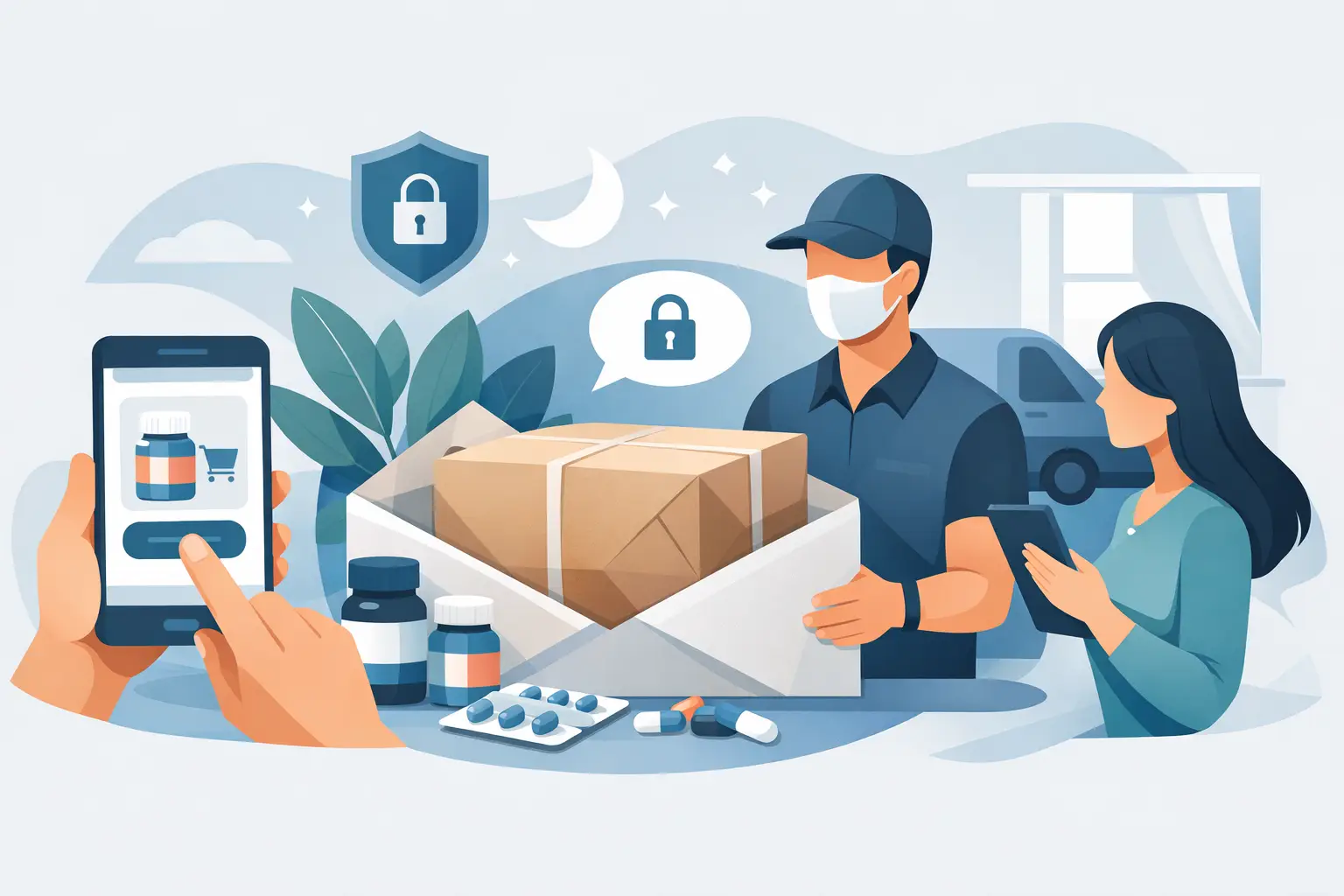
Privacy usually matters most when the product is personal, the timing is urgent, or you simply do not want your business shared with anyone else. If you are wondering how to order medication discreetly, the real answer is not just finding a website that says “private shipping.” It means paying attention to how the order is placed, how the package is labeled, how payment appears on your records, and what kind of support you can get if something goes wrong.
For many buyers, discretion is not about hiding something reckless. It is about keeping your health decisions in your control. Maybe you live with family, share a mailbox, work long hours, or do not want awkward conversations at a local pharmacy counter. Maybe you want faster access, clearer pricing, and a checkout process that does not drag you through unnecessary steps. That is where online ordering becomes more than convenience – it becomes a privacy tool.
What discreet ordering actually means
A lot of stores use the word discreet, but not all of them mean the same thing. In practice, discreet ordering covers several parts of the buying experience. First, the site should not force you to reveal more information than necessary to complete the order. Second, packaging should arrive without obvious product names or branding on the outside. Third, billing and payment should be handled in a way that does not create more exposure than needed.
There is also a customer-service side to privacy. A discreet experience is not only silent packaging. It is also a support process that does not make you repeat sensitive details to multiple people, and it is a storefront that treats your purchase like a normal transaction instead of a public event.
That matters because many shoppers focus only on the shipping box and forget everything that comes before it. An order can be discreet at delivery but still feel exposed if the checkout is clumsy, the payment descriptor is obvious, or the site lacks clear communication.
How to order medication discreetly without mistakes
The safest approach is to think through the entire order path before you buy. Start with the product page and the checkout page. A serious online pharmacy or health store should make it easy to understand what you are buying, what quantity you are selecting, and what happens after payment. Confusing listings, vague descriptions, or hidden charges are not just annoying – they often signal a sloppy operation.
Next, look at the privacy side of the process. You want a store that keeps ordering simple, uses secure checkout, and does not turn basic purchasing into a drawn-out back-and-forth. If discretion is your goal, fewer unnecessary touchpoints usually means fewer chances for your information to be mishandled.
Shipping policies matter just as much. A discreet seller should be upfront about packaging practices, processing times, and delivery expectations. Buyers often assume overnight speed is the most important factor, but there is a trade-off. Very fast shipping can be useful when time matters, yet reliability and packaging consistency often matter more if privacy is your top priority.
It also helps to think about where the package is going. Home delivery is often the most natural option, but it is not always the most private one if other people regularly collect your mail. In some cases, timing the order around your schedule makes a bigger difference than anything else.
Choosing a store that takes privacy seriously
If you want to know how to order medication discreetly with less stress, choose the seller carefully before you worry about checkout. A trustworthy store usually communicates in a direct way. Pricing is visible. Product availability is clear. Support is easy to reach. You should not have to guess whether your order was received, whether it shipped, or whether someone can answer a basic question.
Confidentiality claims should also match the buying experience. If a store promises privacy but floods you with unnecessary follow-up messages, that is not a great sign. The strongest sellers make privacy feel built into the process, not pasted on as a marketing phrase.
This is where a platform like Medline Pharma appeals to privacy-focused buyers. The model is built around direct shipping, confidential handling, simple ordering, and support when you need it. For customers who want less friction and more control, that combination is often the whole point.
Still, buyers should stay practical. Privacy does not mean zero responsibility. You should verify what you are ordering, check the product details carefully, and make sure the delivery information is accurate. A discreet order can still become a frustrating order if basic details are wrong.
Payment choices and what they reveal
Payment is one of the most overlooked parts of discreet ordering. People think about the package, but they forget the transaction trail. Depending on the store, different payment methods can offer different levels of privacy and convenience.
Traditional card payments may be familiar and fast, but some buyers prefer alternatives that create more distance between the purchase and their everyday banking records. That is one reason crypto payments have become attractive in privacy-focused ecommerce. They can add another layer of discretion for shoppers who want more control over how they pay.
That said, convenience and privacy do not always point in the same direction. Card checkout can feel easier for first-time buyers, while Bitcoin or other crypto options may appeal more to experienced shoppers who prioritize anonymity. The right choice depends on your comfort level, how quickly you want to complete the order, and how much transaction visibility matters to you.
The best stores do not force one path. They give buyers options, keep instructions clear, and avoid making payment feel complicated.
Packaging, shipping, and delivery details
Discreet packaging is where privacy becomes visible – or invisible, which is the point. The exterior of the package should not advertise the contents. No oversized branding. No obvious product callouts. No unnecessary labels that invite questions.
But discreet delivery is not just about the box. It also includes processing speed, tracking, and communication. Some shoppers want constant updates. Others prefer minimal notifications. Neither approach is wrong. It depends on whether convenience or low visibility matters more to you.
A good seller balances both. You should be able to track the order without turning the process into a stream of alerts that pop up at the wrong time. If you live with other people, subtle communication can matter almost as much as subtle packaging.
There is also a trade-off with signature requirements. In some cases, signatures can add security. In others, they create more exposure because they involve another person or a missed-delivery notice. If privacy is the priority, think through what will happen at your address before you place the order.
When no-prescription access is part of the appeal
For some shoppers, discretion is connected to a bigger issue: avoiding delays and gatekeeping. They do not want to book appointments, sit in waiting rooms, or answer questions that feel unnecessary for a straightforward purchase. That demand has pushed more buyers toward online stores that streamline access and make ordering feel immediate.
There is an obvious appeal here. Faster checkout, broader product availability, and fewer roadblocks can make the whole process feel more manageable. For adults who know what they want, that level of control is a major selling point.
At the same time, buyers should be honest about the trade-offs. Less friction can be helpful, but it also means you need to read carefully and order carefully. The more direct the process is, the more important it is to choose a seller that presents products clearly and offers real support if you have questions.
Red flags that work against discretion
Some of the worst privacy problems start with small signs people ignore. If a store has inconsistent product information, unclear payment steps, or delivery promises that sound too loose, that should slow you down. The same goes for poor communication after checkout. If you cannot tell whether your order is confirmed or shipped, you are not in control of the process.
Another red flag is forced oversharing. If a site asks for excessive details that do not seem necessary for fulfillment, that undermines the whole purpose of discreet ordering. Privacy-centered shopping should feel efficient, not invasive.
You should also watch for a mismatch between confidence and clarity. Bold claims are fine, but serious sellers back them up with straightforward ordering, visible support, and dependable delivery practices.
A smarter way to buy with confidence
The best answer to how to order medication discreetly is simple: choose a seller built for privacy, use the payment method that fits your comfort level, and think through delivery before you check out. Discretion is not one feature. It is the result of a process that respects your time, your personal space, and your need for control.
When the ordering experience is clear, the packaging is low-profile, and the support is there without being intrusive, buying online feels less risky and more practical. That is what most people want – not drama, not delays, just private access handled the right way.
If discretion matters to you, trust the stores that make privacy part of the whole experience, not just a promise on the page. A good order should arrive quietly, accurately, and on your terms.