Category: Uncategorized

  • The Role of Modern Medicine

    The Role of Modern Medicine

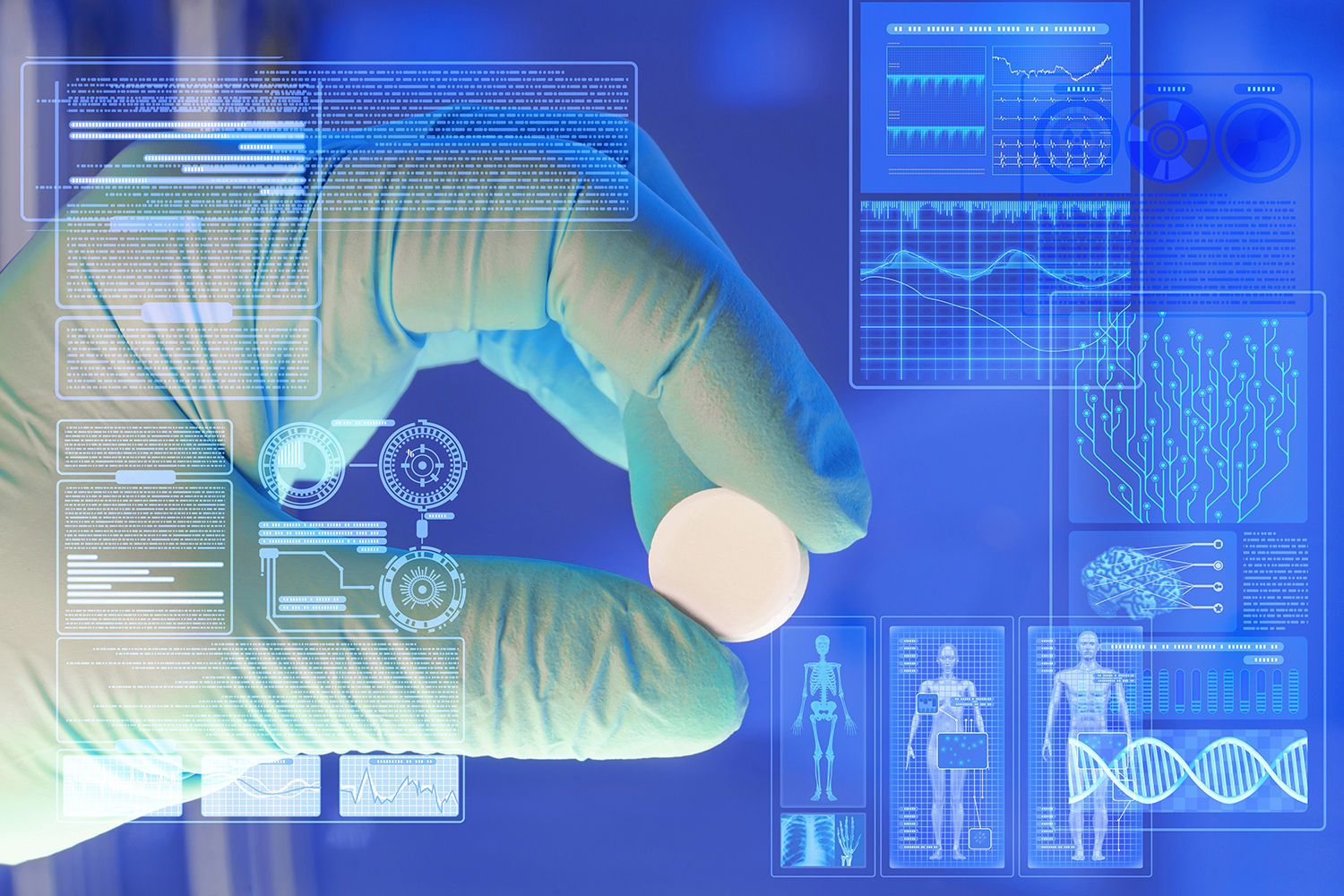
    In the 21st century, medicine has evolved into one of the most powerful tools for improving human life. From fighting infectious diseases to managing chronic conditions, modern medical advancements continue to redefine how we live, age, and recover. Here’s a closer look at how medicine is transforming health outcomes across the world.


    1. Preventive Medicine: A Shift Toward Wellness

    Preventive medicine focuses on avoiding disease before it begins. This includes vaccinations, regular health screenings, healthy lifestyle promotion, and early detection strategies. Conditions like heart disease, diabetes, and certain cancers can be significantly reduced through preventive care. As more people become proactive in managing their health, life expectancy continues to rise.


    2. Breakthroughs in Pharmaceuticals

    Over the past few decades, pharmaceutical innovations have revolutionized treatment options. From antibiotics to targeted cancer therapies and personalized medicine, drugs are now more precise and effective than ever. Innovations such as mRNA vaccines (e.g., for COVID-19) showcase how quickly new solutions can be developed in response to global health crises.


    3. Technology and Digital Health

    Technology is playing a huge role in healthcare. Telemedicine, wearable devices, electronic health records (EHR), and AI-assisted diagnostics are making healthcare more accessible and efficient. Patients can now monitor their blood pressure, glucose levels, and heart rate from home, helping doctors make informed decisions remotely.


    4. Mental Health Integration

    Modern medicine now acknowledges that mental health is as important as physical health. Psychiatric medications, therapy, and mindfulness practices are being integrated into primary care. As stigma fades and services expand, more people are seeking help for depression, anxiety, PTSD, and other conditions.


    5. Regenerative Medicine and Gene Therapy

    Regenerative medicine, including stem cell therapy and tissue engineering, holds the promise to repair or replace damaged tissues and organs. Gene therapy, still in its early stages, aims to correct genetic defects at their source. These innovations could eventually cure genetic diseases that were once considered untreatable.


    6. Challenges Ahead

    Despite the progress, many challenges remain: unequal access to care, antibiotic resistance, high drug prices, and healthcare infrastructure gaps in developing nations. Addressing these issues requires global cooperation, policy reform, and sustainable innovation.


    Conclusion

    Medicine continues to shape the way we live healthier, longer, and more fulfilling lives. As science progresses, so does our ability to prevent, treat, and even cure diseases that once devastated entire populations. The future of medicine is not only about curing illness—it’s about enhancing human potential.
  • How Digital Access Is Changing Healthcare

    How Digital Access Is Changing Healthcare

    In recent years, medicine has undergone a powerful transformation, driven by digital innovation and consumer demand for convenience and privacy. From virtual doctor visits to online pharmacies, modern healthcare is shifting rapidly — and it’s all about access, autonomy, and affordability.

    1. Online Pharmacies: A Game Changer

    One of the biggest shifts in medicine today is the rise of online pharmacies, allowing people to purchase medications from the comfort of their homes. For those with chronic conditions, mobility issues, or limited local access to healthcare providers, this change is a lifeline.

    But the most talked-about trend? Access to medicine without a prescription. While controversial in some regions, many users see it as a way to bypass unnecessary gatekeeping — especially for medications they’ve used safely for years.

    2. Privacy and Discretion Matter

    Today’s consumers care deeply about privacy. They don’t want their medical purchases to show up on a credit card statement or be tracked through insurance records. That’s why more people are turning to cryptocurrency, especially Bitcoin, to buy medications anonymously and securely.

    Bitcoin payments provide an extra layer of discretion, allowing users to keep their health decisions confidential. For many, it’s not just about convenience — it’s about control over their own health journey.

    3. Risks vs. Freedom

    There’s ongoing debate in the medical world about prescription-free access. While it empowers people, it also raises concerns about misuse, counterfeit drugs, and lack of supervision. That’s why trust in the platform is critical.

    Reputable online suppliers ensure:

    • High-quality, lab-tested products
    • Transparent sourcing
    • Clear dosage instructions
    • Discreet packaging and reliable delivery

    The best platforms do not compromise on safety, even if they allow users to shop without prescriptions.

    4. Looking Ahead

    As regulations evolve and digital tools improve, the future of medicine will likely be more patient-led than ever. Whether it’s managing a condition through an app, consulting an AI for symptoms, or ordering essential medications via crypto — the focus is shifting toward empowerment and accessibility.


    Final Thoughts

    Access to medicine is a human right — and the digital age is making it easier than ever. Whether you’re seeking privacy, convenience, or autonomy, modern tools are putting the power back in your hands. Always remember to research, choose trustworthy providers, and prioritize your health above all.