
sales@medlinepharma.com
+1(774)-537-5075
Los Angeles, CA, USA 90005
May 18, 2026
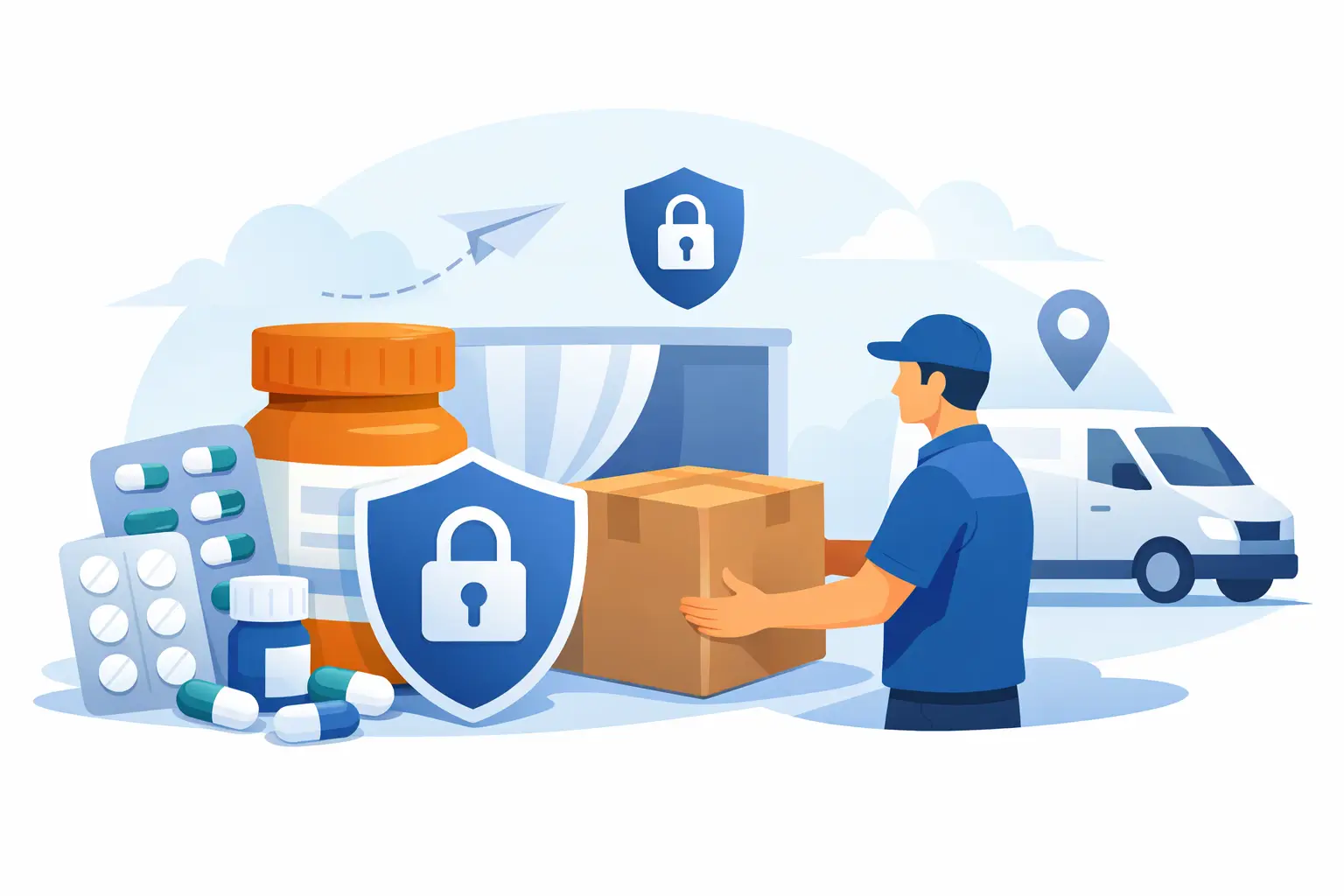
A lot of people are fine buying vitamins in person but want a very different experience when the order is more personal. That is exactly where how confidential pharmacy shipping works matters. If you are ordering medication, wellness products, or other sensitive items online, you want the process to feel private from checkout to doorstep, not just in the marketing copy.
Confidential shipping is not one single feature. It is a chain of decisions that starts when you place an order and continues through payment, packaging, labeling, carrier handoff, tracking, and delivery. If one part is sloppy, the whole promise of privacy falls apart.
For buyers, the goal is simple – get what you need quickly, safely, and without unnecessary attention. For the pharmacy or online health store, that means building fulfillment around discretion instead of treating privacy like a nice extra.
At the practical level, confidential shipping means your order is prepared so that other people cannot easily tell what you bought. The outside of the package is typically plain. Branding is limited or removed. Product names do not appear on the box in a way that invites curiosity from neighbors, roommates, front desk staff, or anyone handling the parcel.
That sounds basic, but true confidentiality goes further than plain cardboard. Order data has to be handled carefully behind the scenes. Payment information needs to be processed securely. Shipping labels should avoid revealing product categories where possible. Customer support also has to respect privacy, because discretion can be broken just as easily by a careless email subject line as by bad packaging.
The strongest setups are designed around one idea: only the information required to move the order from warehouse to customer should be visible at each stage. Nothing extra. Nothing promotional that turns a private purchase into a public one.
Most people think about shipping when they picture the box arriving. In reality, confidentiality starts at checkout. The moment you enter your details, you are trusting the seller to protect your name, address, payment method, and order contents.
A privacy-centered pharmacy experience usually gives customers straightforward payment choices, clear order confirmation, and minimal friction. Some buyers prefer standard card payments. Others want added separation through alternative payment methods. What matters most is that the transaction is handled in a way that does not expose more personal information than necessary.
This is also where billing and shipping details can matter. In some cases, buyers want an order sent to their home. In others, they may prefer a different delivery location for convenience or extra privacy. A good confidential shipping process supports that flexibility without making the order feel suspicious or difficult.
When people ask how confidential pharmacy shipping works, they are usually asking about packaging. That is fair because packaging is the most visible part of the promise.
Discreet packaging usually means a plain mailer, padded envelope, or unmarked box with standard carrier labeling. There is no large product branding on the outside. There is no obvious wording that identifies the shipment as medication, pharmacy inventory, or a sensitive health purchase. The return name, when used, is often neutral and businesslike.
Good packaging also protects the product physically. A crushed box or torn envelope is not just annoying. It can expose the contents or create questions you never wanted to answer. Confidential shipping has to balance discretion with durability. Fragile products need cushioning. Heat-sensitive items may need additional handling. Bottles, blister packs, powders, and liquids all require different packing choices.
That is one of the trade-offs people do not always see. The most discreet package still has to be practical. If the item arrives damaged, leaking, or obviously repacked, privacy has not really been protected.
Shipping labels are a small detail with a big privacy impact. Carriers need enough information to deliver the parcel, but customers do not want labels that announce what is inside. In a confidential setup, the visible details are kept as neutral as possible.
That usually means the label includes the recipient address, tracking barcode, and sender name required for delivery, but not product descriptions. In many cases, the sender name is selected to sound generic rather than attention-grabbing. This reduces the chance that a package sitting in a mailroom or on a porch tells a story the buyer did not choose to share.
There is an important limit here: no shipping process can make a parcel invisible. Carriers still need shipping data, and recipients still need a deliverable address. Confidential shipping is about reducing unnecessary exposure, not pretending logistics do not exist.
Privacy is won or lost in fulfillment operations. Once the order is placed, staff or warehouse systems pick the product, verify the quantity, prepare the package, generate the label, and hand it off to the carrier. Every step creates a chance for mistakes.
The cleaner the process, the better the confidentiality. Orders should be matched accurately so the wrong item is not packed. Packing slips should avoid revealing more than needed. Notifications should be useful without being overly descriptive. Support teams should be trained to confirm customer details carefully before discussing any order information.
This is where a serious online pharmacy separates itself from a random storefront. Confidential shipping is not just a plain box. It is consistent handling from warehouse shelf to delivery scan.
Most buyers want tracking because they do not want sensitive orders left to guesswork. Tracking lets you know when the parcel ships, where it is in transit, and when it is close to delivery. That helps with convenience, but it also helps with privacy. If you know when a package is arriving, you can be there to receive it or move quickly once it is delivered.
The best approach is simple and direct. You get the tracking information you need without unnecessary product detail in the notification itself. That balance matters. Too little information creates anxiety. Too much information creates risk if someone else sees the message.
Delivery timing can matter just as much as package design. Apartment buildings, shared homes, dorms, and office deliveries all create different privacy concerns. In those cases, tracking is not just a customer service feature. It is part of confidential fulfillment.
Not every order should be delivered the same way. Some shipments can be left securely at the address. Others may need a signature, especially when the value is high or the contents require tighter control. There is no single best method for every buyer.
A signature can increase security, but it can also reduce convenience. If you miss the delivery, you may have to reschedule or pick it up elsewhere. Standard delivery is easier, but it may leave the parcel visible longer than you want. Confidential shipping works best when the delivery method fits the product, the location, and the customer’s comfort level.
For privacy-conscious buyers, the most practical move is often planning ahead. Use a reliable address, watch tracking updates, and think about who can access the drop-off point. Discretion is strongest when both the seller and the buyer do their part.
It helps to be realistic. Confidential pharmacy shipping can reduce exposure, but it cannot remove every risk. A carrier delay may leave the package sitting longer than expected. A household member may accept the delivery. A building concierge may log incoming parcels. Weather, routing issues, and local delivery habits all affect the final experience.
There is also a difference between confidential shipping and anonymous purchasing. Confidential shipping focuses on discreet fulfillment and limited visible information. Anonymous purchasing usually refers to minimizing identity exposure during payment and account activity. The two can overlap, but they are not identical.
That distinction matters because shoppers often expect total invisibility when what they are really getting is a more private, lower-friction buying experience. A trustworthy seller does not oversell that promise. It explains what is protected, what is standardized, and where common-sense limits still apply.
For many customers, privacy is not about hiding something dramatic. It is about control. They do not want to discuss personal purchases with a cashier, explain an order to family members, or leave health-related decisions open to outside opinions. They want direct access, quick shipping, and a package that keeps their business their business.
That is why confidential fulfillment continues to matter across everything from everyday wellness products to more sensitive categories. The convenience is real, but the bigger value is confidence. When ordering feels secure, buyers come back because the process respects their time and their boundaries.
At Medline Pharma, that expectation is simple: private ordering should feel normal, fast, and dependable. If a pharmacy says confidentiality matters, the proof is not in the slogan. It is in the box that shows up looking ordinary, the tracking that keeps you informed, and the fact that your order gets to your door without turning into anyone else’s conversation.
If you are choosing where to buy, pay attention to the small details. The way a seller handles checkout, packaging, updates, and delivery will tell you more about their privacy standards than any bold headline ever will.