
sales@medlinepharma.com
+1(774)-537-5075
Los Angeles, CA, USA 90005
June 30, 2026
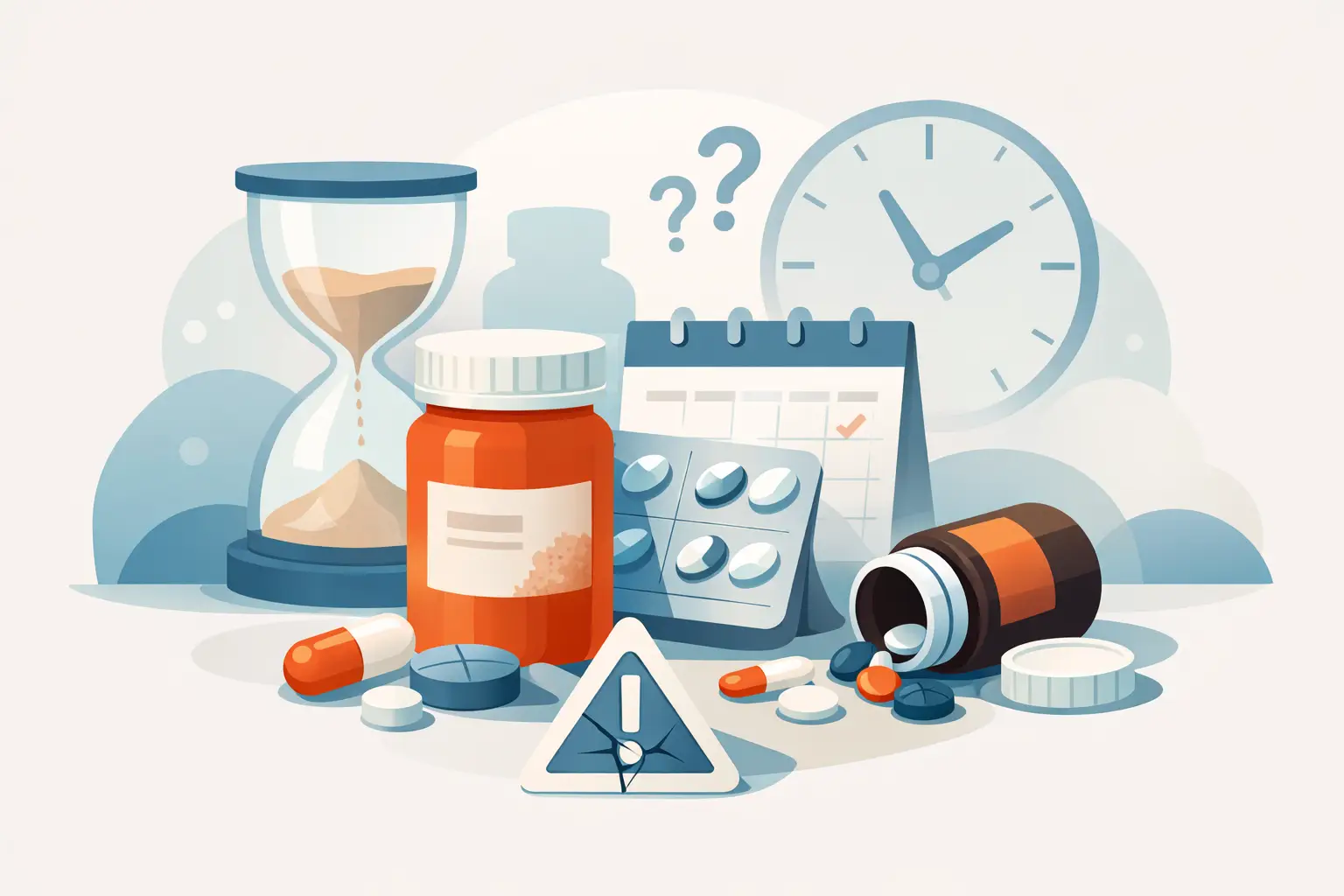
That half-used bottle in the bathroom cabinet can feel harmless until you actually need it. Knowing when to replace expired medicines is not just about cleaning out clutter. It is about making sure the product you reach for still works when the moment matters, whether that is a headache at midnight, allergy flare-ups before work, or a prescription you rely on every day.
Most people assume an expiration date means a medicine suddenly becomes dangerous the next morning. That is usually not how it works. In many cases, expired medicines lose strength over time rather than turning toxic overnight. The real problem is reliability. If a product no longer delivers the dose you expect, you are guessing with your health, and that is a bad trade when fresh replacements are easy to secure.
Some expired products should not sit around waiting for a maybe. If you have nitroglycerin, insulin, liquid antibiotics, epinephrine auto-injectors, eye drops, or any medication that has been opened and stored in less-than-ideal conditions, replace it promptly once it expires or sooner if storage instructions were not followed.
These products are more sensitive to heat, light, moisture, contamination, or potency loss. An expired pain reliever may simply work less well. An expired emergency medication can fail when timing matters most. That distinction matters.
Eye drops deserve special attention. Even if they look fine, they can become contaminated after opening. The same goes for creams, ointments, and liquid medications that have changed color, separated, thickened, or developed an unusual smell. If a product no longer looks or behaves the way it should, treat that as your answer.
An expiration date is based on the product staying in its original container under proper conditions. Real life is messier. A bottle stored in a steamy bathroom, a blister pack left in a hot car, or tablets moved into an unlabeled organizer for months may not hold up as expected.
Heat and humidity are the quiet enemies of medicine cabinets. They break down ingredients faster and can shorten a product’s useful life even before the printed date arrives. That means a medicine can become less dependable early if it has been stored poorly. On the other hand, a sealed bottle kept cool and dry may look fine past the date, but that still does not make it the smart first choice.
If you are depending on a medication for symptom control, infection treatment, hormone balance, blood pressure, or any condition that needs consistent dosing, do not push your luck. Replace it on time and keep your supply current.
There is a difference between lower risk and no risk. Some solid-dose products such as tablets and capsules may retain part of their potency past the expiration date if they were stored well. Basic over-the-counter products like acetaminophen, ibuprofen, or antihistamines often do not become immediately harmful the day after expiration.
Still, weaker medicine can lead to under-treatment. That is especially frustrating when you are trying to control pain, allergies, fever, or sleep issues quickly. If relief is the goal, fresh stock wins. It gives you the best shot at the effect listed on the label instead of a maybe.
This is also where convenience matters. Replacing common household medicines before you run out or before they expire keeps you from scrambling when symptoms hit. Privacy, fast access, and discreet delivery are nice features, but the bigger advantage is not being caught with products that are already past their useful window.
Waiting until you are sick is the expensive way to manage your medicine cabinet. A better move is to check dates every few months and swap out anything close to expiring, especially products you rely on seasonally or in a hurry.
Think about allergy medicine before spring, cold and flu products before winter, anti-nausea medication before travel, and pain relief before a busy week when you cannot afford downtime. If you use rescue medications, sleep aids, digestive support, or chronic-care prescriptions, staying ahead of the expiration date gives you control. No last-minute store run. No settling for whatever is left in the drawer.
For households with kids, older adults, or anyone managing multiple medications, this matters even more. It is easy for bottles to pile up and dates to get missed. A quick review can prevent confusion and reduce the chance of taking the wrong thing or taking something that no longer performs as expected.
A printed date is not the only reason to replace a product. Physical changes are a clear warning. Tablets that crumble, capsules that stick together, liquids that separate and do not remix, or products with a strange odor should be taken out of circulation.
Packaging damage counts too. If the seal is broken, the label is missing, or the container has been exposed to moisture, you no longer have a trustworthy product. The same applies if you cannot identify exactly what it is, when you opened it, or how it has been stored. Confidence matters with medications. If you are guessing, replace it.
There is also the issue of product relevance. Some medicines are not expired, but they are no longer appropriate for your current condition, dosage, or treatment plan. Leftover antibiotics are the classic example. So are old prescriptions from a past illness or strength changes from months ago. Keeping them around invites misuse.
The simplest system is the one people actually use. Keep medicines in their original packaging, store them in a cool and dry area, and separate daily-use products from backup stock. Every few months, check expiration dates, remove damaged items, and reorder what you want on hand.
Do not treat the bathroom cabinet like long-term storage. A bedroom drawer or hall closet is often a better option if temperature and humidity are more stable. If a medication requires refrigeration, follow that exactly. If it says protect from light, do not transfer it into a clear container because it looks neater.
It also helps to buy in a realistic quantity. Overstocking can lead to waste if products expire before you use them. Buying too little creates gaps when you need a refill fast. The right balance depends on how often you use the medication, how long it lasts, and how quickly you can get a replacement delivered.
Fresh medication is not just a technical upgrade. It gives you certainty. That matters when you are trying to lower a fever, relieve pain, manage anxiety, control symptoms, or stay consistent with a prescribed routine.
Expired products create hesitation. You start asking whether the dose is still strong enough, whether the liquid has gone bad, or whether it is safe to trust a bottle that has been sitting around for two years. That uncertainty is the opposite of what you want from healthcare.
For many buyers, the biggest reason expired medicines stay in the house is friction. Replacing them feels easy to postpone. That is why private ordering, fast fulfillment, and direct home delivery make a difference. If getting what you need is straightforward, there is less reason to rely on old stock that may no longer do the job. Medline Pharma is built around that kind of convenience, especially for customers who want to restock quietly and move on.
If the medicine is expired and tied to emergencies, precise dosing, infection treatment, eye care, or liquid form, replace it now. If it is a basic tablet or capsule and only slightly expired, it may not be dangerous, but it is still not your best option when dependable relief matters.
A good rule is simple: if you would not feel confident using it during a bad day, it should not stay in your cabinet. Check the date, check the condition, and replace what no longer earns your trust. A small restock now is better than finding out too late that the medicine in your hand is already past its moment.